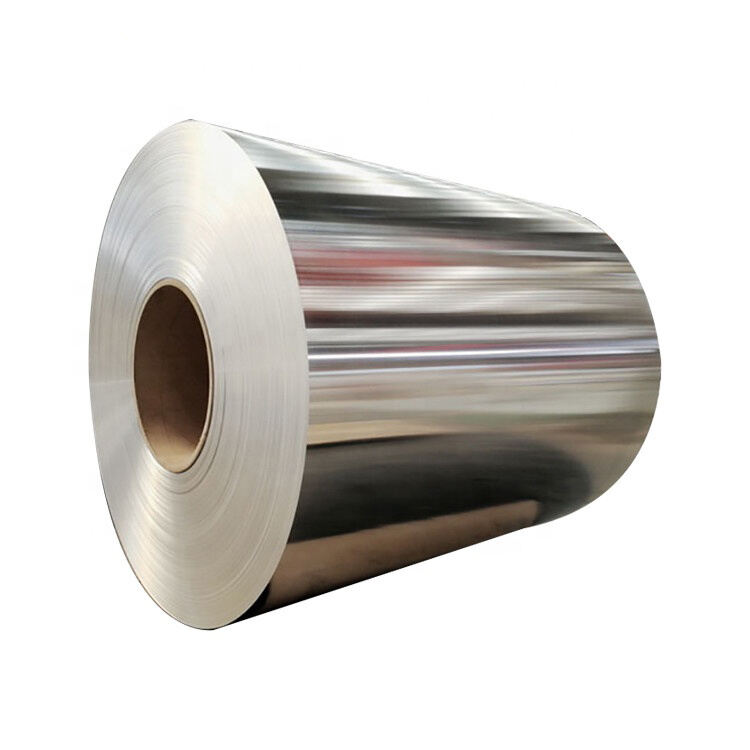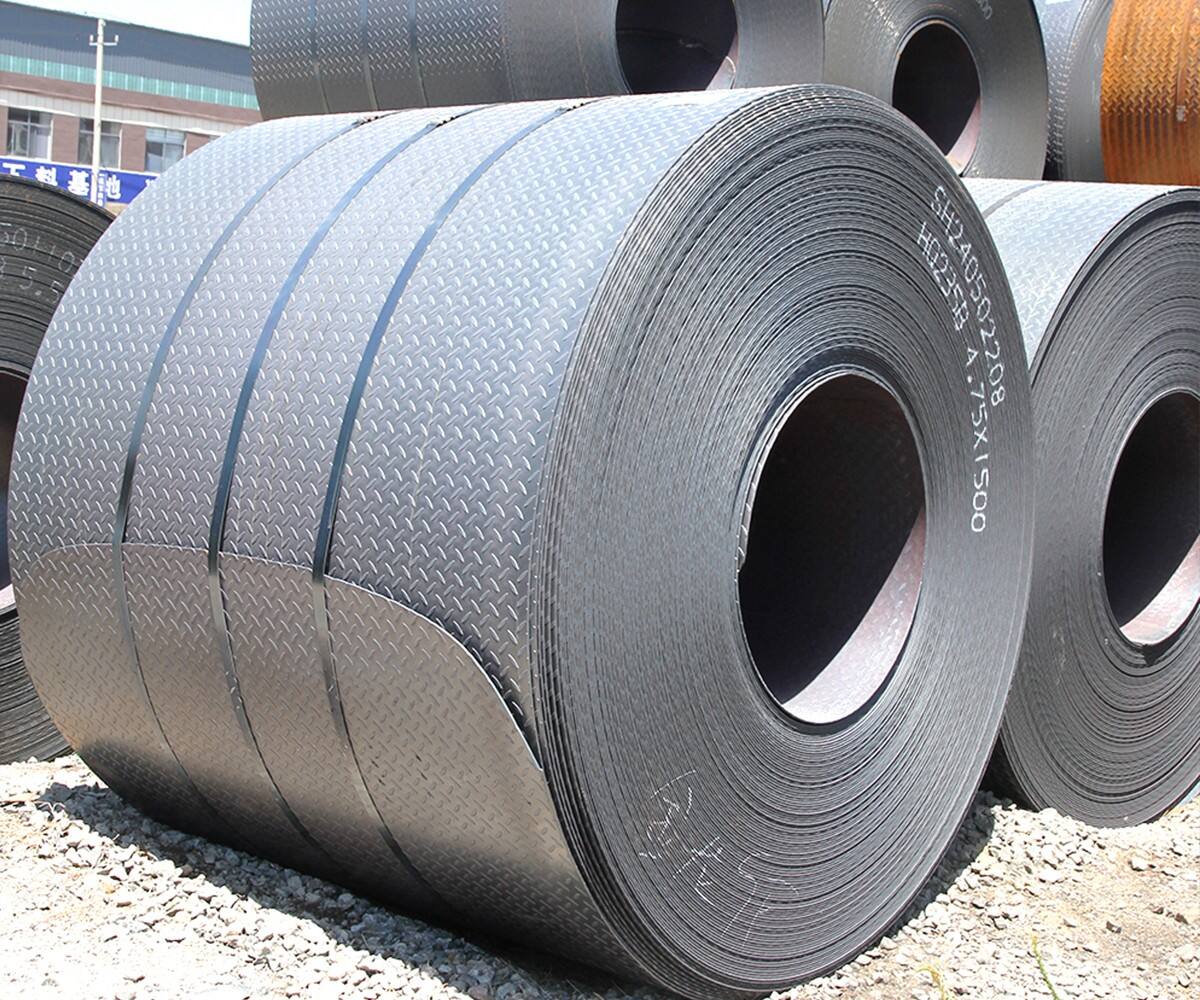
Within the extensive landscape of industrial raw materials, carbon steel coil stands as a cornerstone product due to its exceptional combination of strength, ductility, and economic viability. The production methodology involves thermomechanical processing where steel billets are heated and passed through a series of rolls to achieve the desired thickness and microstructure. The carbon content, typically ranging from less than 0.05% to over 0.60%, is the primary determinant of the final properties. Low-carbon steels exhibit superior ductility and are ideal for deep drawing and complex forming operations, while medium and high-carbon steels provide increased hardness and tensile strength, suitable for cutting tools and high-stress components. Surface conditions are critically managed; hot-rolled coils may have a mill scale that is often removed by pickling, whereas cold-rolled coils offer a superior surface finish and tighter dimensional tolerances, making them preferable for applications requiring aesthetic appeal or precise fabrication. The versatility of carbon steel coil is demonstrated across a multitude of industrial domains. In the transportation sector, beyond automotive applications, it is vital for manufacturing railway wagons, shipping containers, and truck trailers, where durability and payload capacity are essential. A specific case study might involve the use of high-yield-strength carbon steel coils in the production of container side walls, which must withstand stacking loads and dynamic forces during transit. The energy sector is another major consumer, particularly in the fabrication of wind turbine towers and support structures for solar farms. Here, the coils are cut, welded, and formed into large cylindrical sections, requiring excellent weldability and impact resistance at low temperatures. The manufacturing of industrial machinery and equipment also depends on carbon steel coils for parts like gears, shafts, and machine frames, where the material's machinability and load-bearing capacity are crucial. Furthermore, in the consumer goods sector, carbon steel coils are transformed into a wide array of products, including furniture frames, storage shelving units, and electrical enclosures. The fabrication processes involved, such as laser cutting, CNC punching, and bending, demand material with consistent hardness and minimal internal stresses to ensure precision and avoid springback. For projects requiring specific certifications or adherence to particular industry standards, the sourcing of carbon steel coil becomes even more critical. The availability of various grades, including commercial quality (CQ), drawing quality (DQ), and structural quality (SQ), allows for precise matching of material properties to application demands. Parameters like coil hardness (e.g., HRB), temper rolling status, and edge condition (e.g., mill edge or slit edge) must be carefully considered during material selection. To receive detailed information on our comprehensive range of carbon steel coils, including technical data sheets and guidance on material selection for your specific application, please do not hesitate to reach out to our expert team for personalized assistance and support.
25
Dec
13
Nov
20
Nov
01
Apr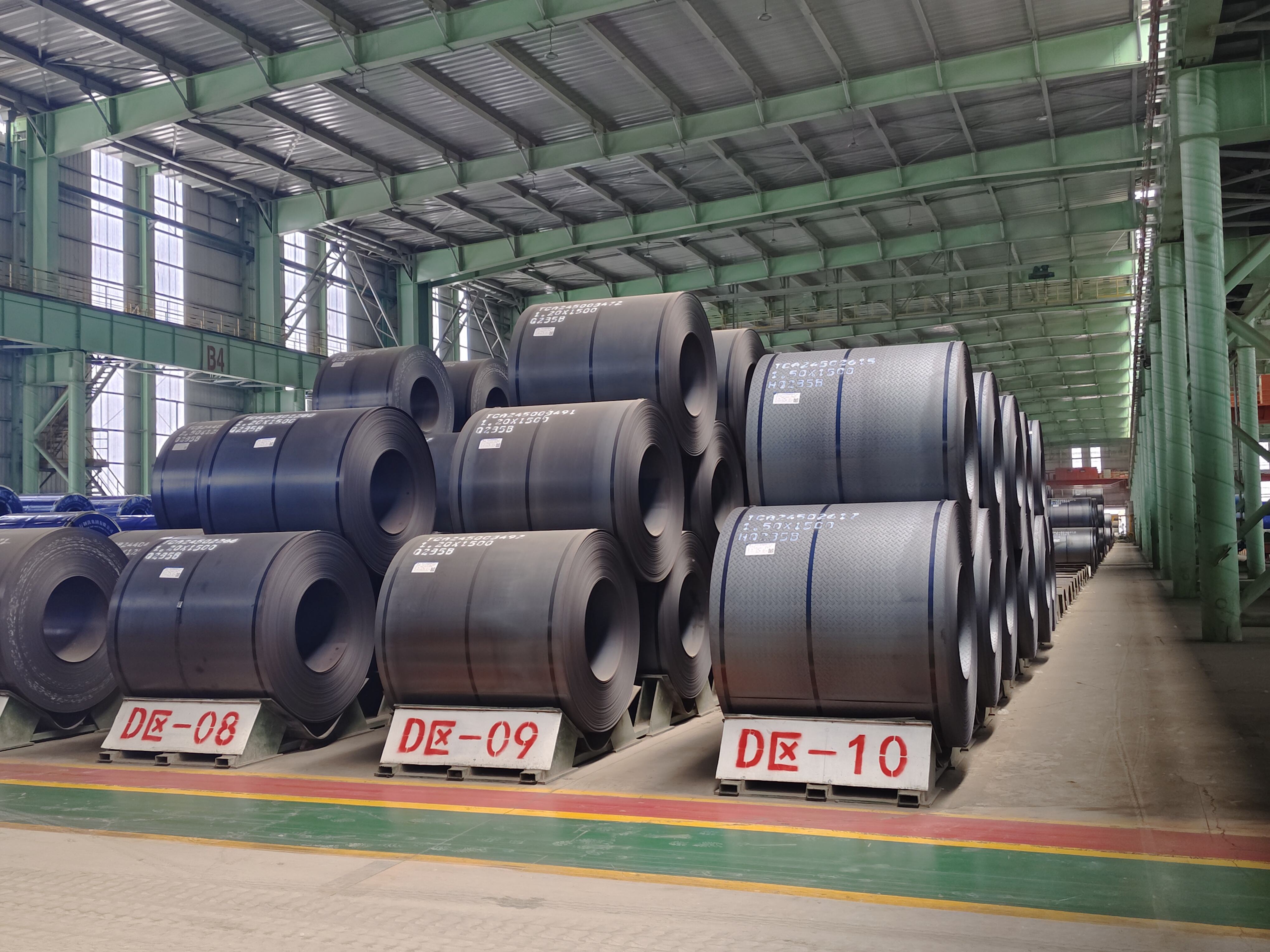

Copyright © 2024 by Shandong Hongzheng Metal Products Co., Ltd.

 EN
EN