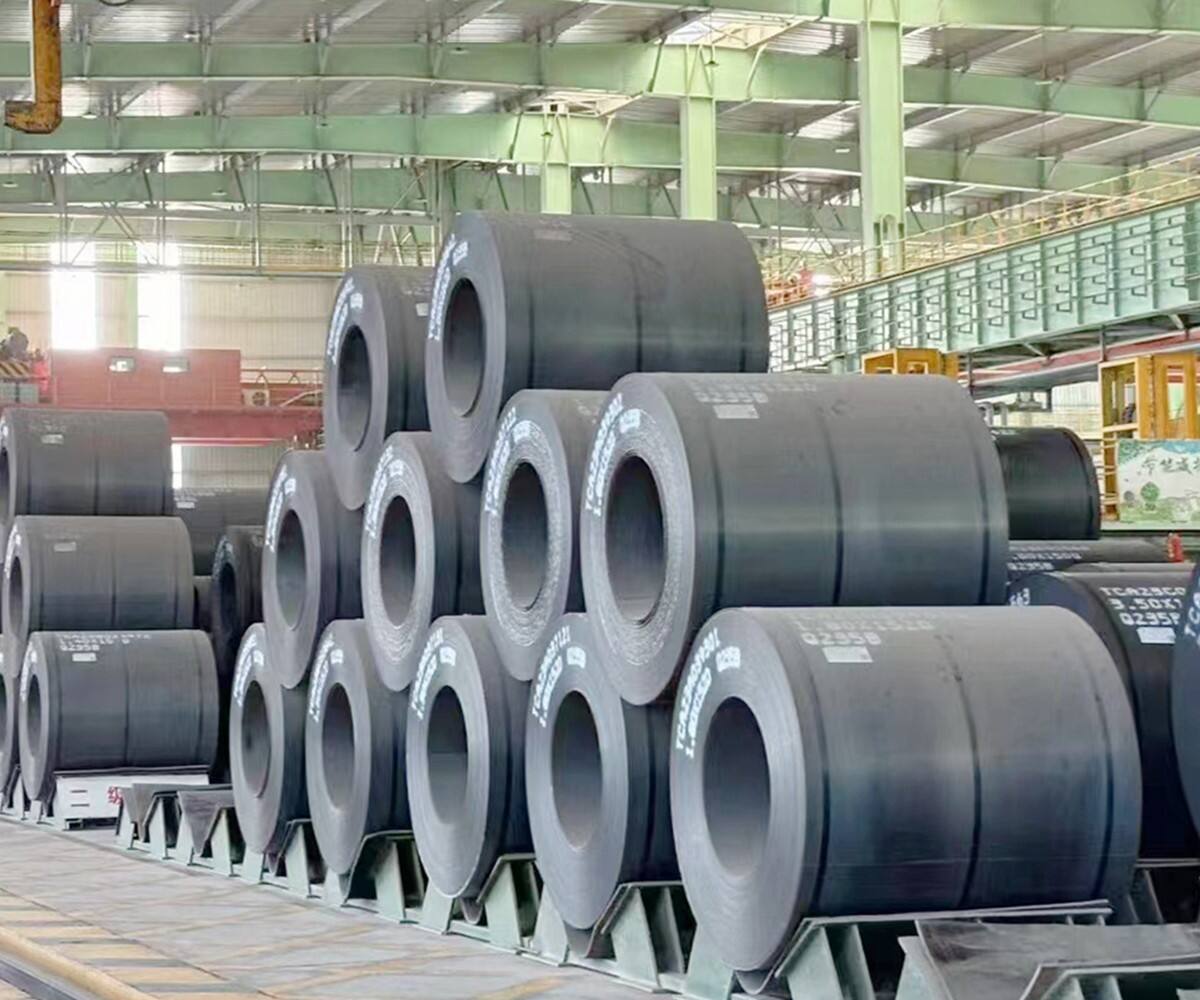
As a core material in the metals industry, carbon steel coil is celebrated for its strength, formability, and widespread availability. The production process is a testament to modern metallurgical control, involving precise adjustments to chemical composition and thermomechanical processing parameters to achieve desired properties in the final coiled strip. The grade selection is critical: Grades like 1008 and 1010 are standard for general forming, 1020 offers a good balance for machining, and 1045 is preferred for parts requiring higher strength and wear resistance. The surface condition varies significantly between hot-rolled and cold-rolled products. Hot-rolled coils have a characteristic mill scale, which can be removed by pickling, while cold-rolled coils have a smooth, ready-to-paint or plate surface finish, achieved through rolling and annealing. The utility of carbon steel coil is evident in numerous industrial sectors. A key application is in the production of electrical steel, where specific low-carbon grades with controlled silicon content are used for magnetic cores in transformers and motors. In the appliance industry, carbon steel coils are stamped into inner liners and outer shells of ovens and dishwashers, requiring material that can withstand high temperatures and maintain its shape. The furniture industry uses it for producing tubular furniture and bed frames, where the coil is formed and welded into hollow sections. In the context of material handling equipment, carbon steel coils are fabricated into pallet racking beams, shelving units, and conveyor components, demanding high yield strength for load-bearing capacity. The packaging sector utilizes thin-gauge carbon steel coil for producing metal strapping and banding, which requires high tensile strength and consistent ductility to secure heavy loads during shipping. Another important, though less visible, application is in the manufacture of stampings and forgings for the hardware and tool industry, where the coil is sheared into blanks and then pressed or forged into final shapes like wrenches, pliers, and brackets. The selection of the correct carbon steel coil involves considerations of the manufacturing process (e.g., will it be welded, painted, or plated?) and the service environment (e.g., will it be exposed to corrosion, abrasion, or fatigue loading?). For expert guidance on material selection and to access a wide range of carbon steel coil products suited to your specific industrial application, we encourage you to reach out to our technical support team. They can provide detailed product data and facilitate a sourcing solution that meets your quality, performance, and delivery expectations.
25
Dec
13
Nov
20
Nov
01
Apr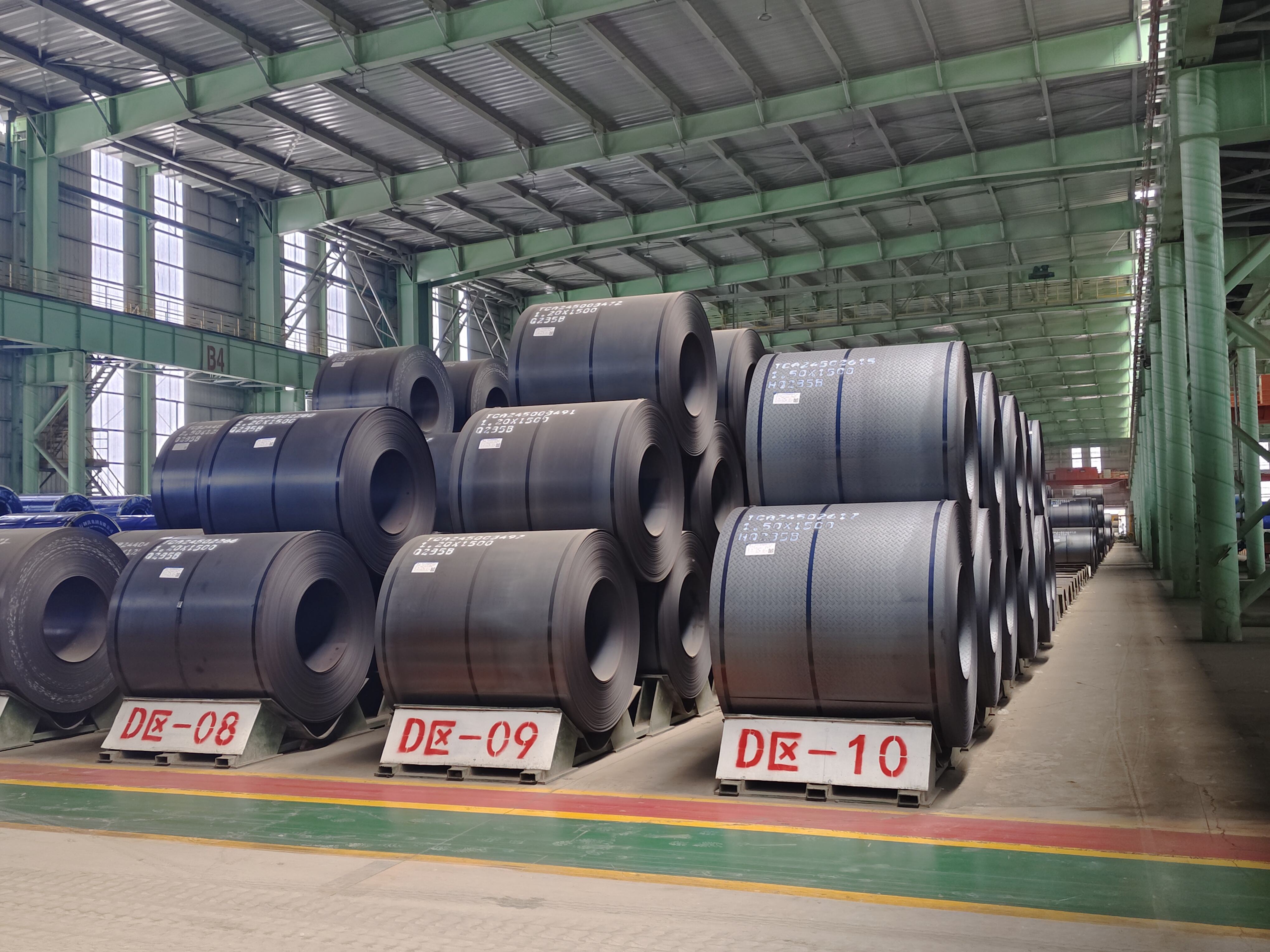

Copyright © 2024 by Shandong Hongzheng Metal Products Co., Ltd.

 EN
EN