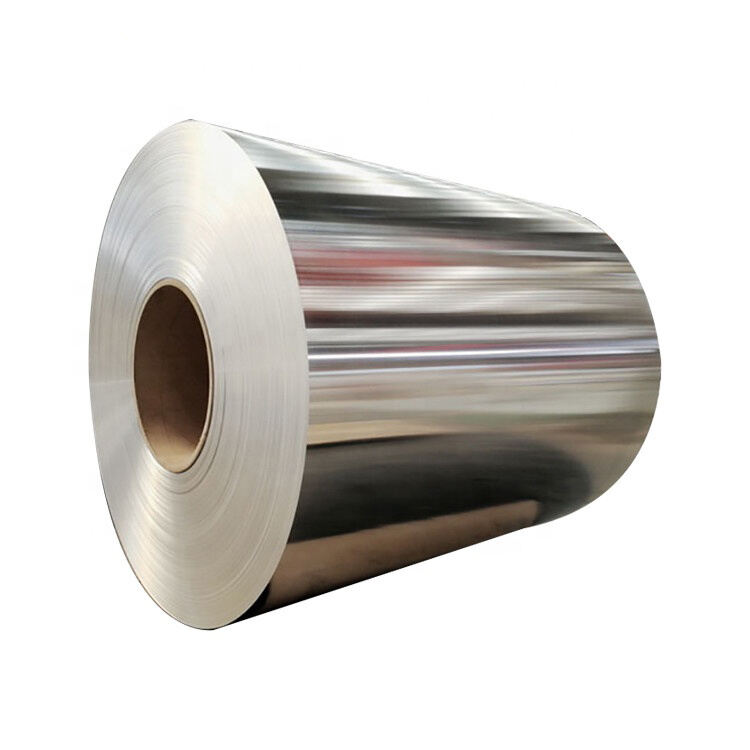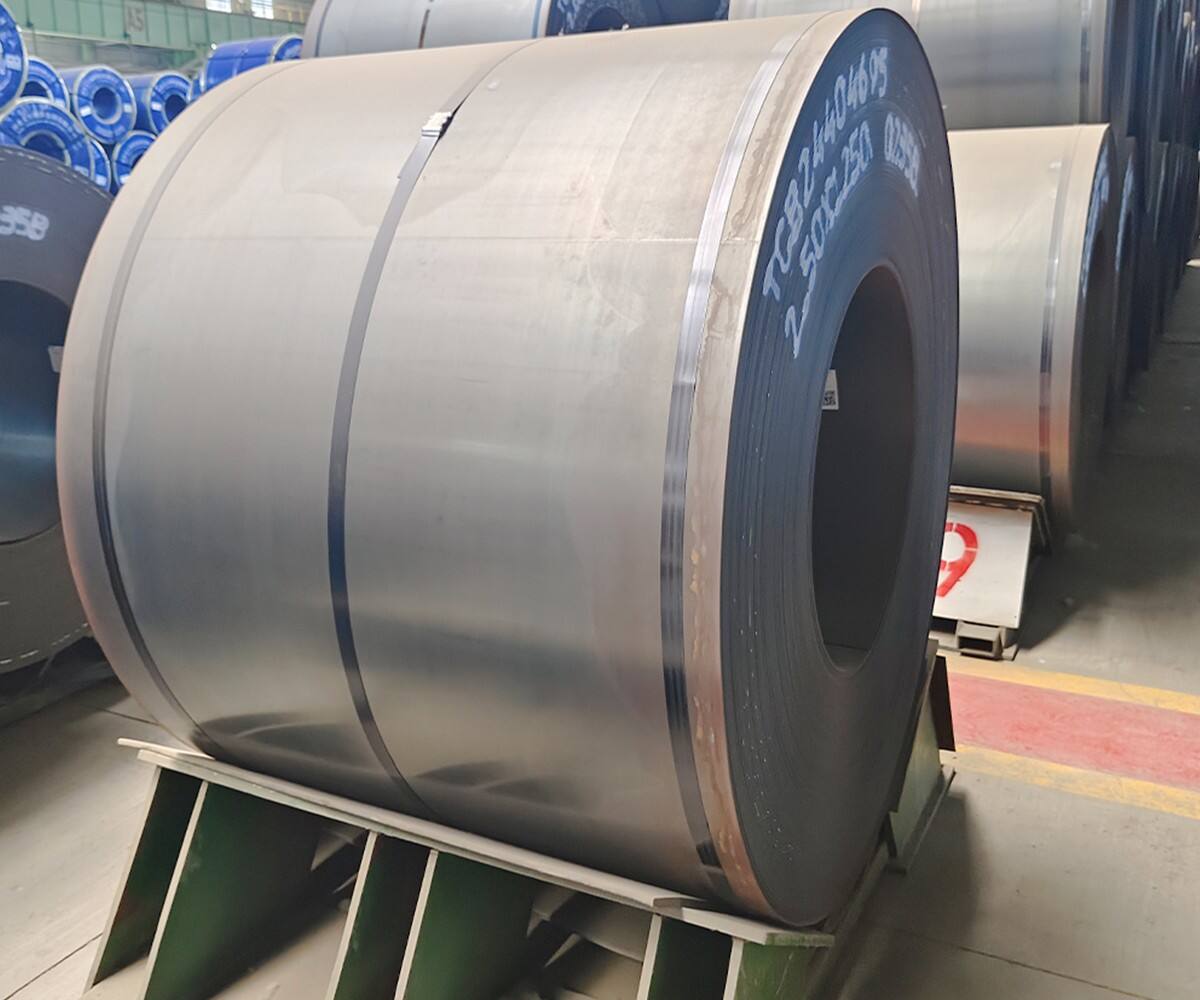
Carbon steel coil is a foundational industrial material whose properties are meticulously engineered to serve as the starting point for a multitude of finished products. Its versatility stems from the ability to tailor its chemical composition and mechanical properties through controlled manufacturing processes. The carbon content is the primary differentiator: low-carbon steels (C < 0.15%) are extremely ductile and are used for deep drawing and cold forging; medium-carbon steels (C 0.30%-0.60%) balance ductility and strength for gears and shafts; high-carbon steels (C > 0.60%) offer high hardness for springs and cutting tools. The processing route further defines its characteristics. Hot-rolled coils are generally more economical and have a thicker, rougher surface scale, while cold-rolled coils provide a superior surface finish, closer dimensional tolerances, and enhanced strength through strain hardening. The application breadth of carbon steel coil is vast. In the construction sector, it is essential for manufacturing structural components like beams, channels, and angles through hot rolling of wider coils or for producing profiled sheets for architectural cladding. For instance, in the construction of a multi-story car park, high-strength carbon steel coils might be used to produce galvanized decking profiles that form the structural floor, combining load-bearing capacity with fire resistance. The automotive industry is another massive consumer, where different grades are selected for different parts: deep-drawing quality for complex body panels and structural grades for safety-critical members like bumper beams and door intrusion beams. The material's consistent performance is vital for the high-speed stamping operations used in auto manufacturing. The pipe and tube industry consumes vast quantities of carbon steel coil, feeding it into high-frequency welding mills to produce pipes for water, oil, and gas distribution networks. A specific example includes the use of API 5L grade coils for producing line pipe used in energy transmission pipelines. Additionally, the general engineering and manufacturing sector uses carbon steel coils for fabricating machine frames, guards, platforms, and a host of custom components, where weldability and machinability are key selection criteria. To ensure optimal performance in your specific application, a detailed understanding of the required mechanical properties, surface quality, and dimensional tolerances is necessary. We are equipped to provide carbon steel coils that meet a wide array of international standards and customer-specific requirements. For further information on our product range, processing capabilities, and to request a quote based on your detailed specifications, please do not hesitate to contact our dedicated sales team for prompt and professional assistance.
25
Dec
13
Nov
20
Nov
01
Apr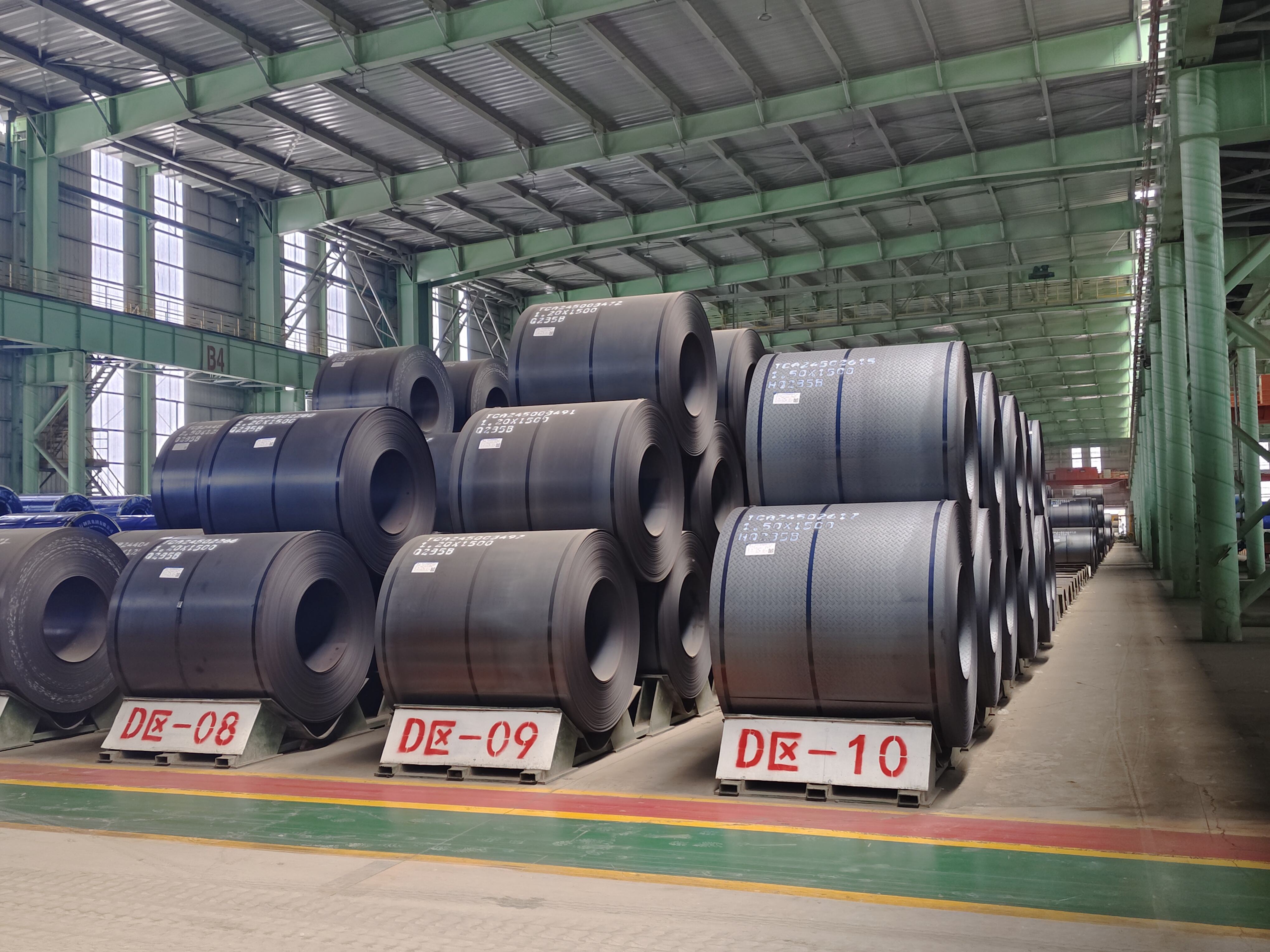

Copyright © 2024 by Shandong Hongzheng Metal Products Co., Ltd.

 EN
EN