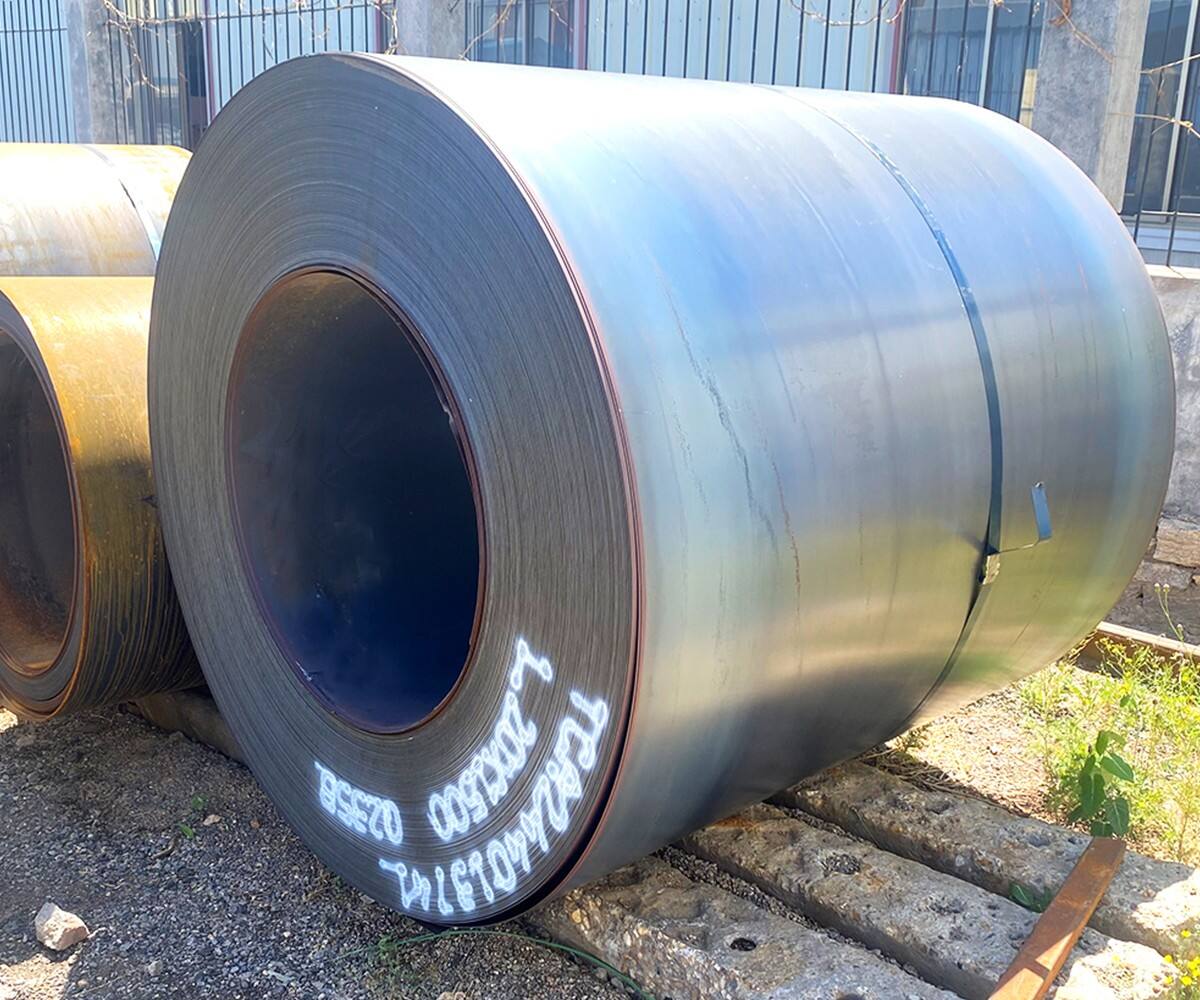
In the landscape of industrial materials, carbon steel coil is a fundamental and highly versatile product, essential for countless manufacturing and construction processes. Its production involves sophisticated metallurgical control to achieve a coiled strip with precise chemical composition, mechanical properties, and dimensional accuracy. The carbon content is the key differentiating factor: low-carbon steels (e.g., DIN St12, St13) offer excellent ductility and are ideal for deep drawing, while higher carbon grades (e.g., DIN C45, C60) provide increased strength and hardness for demanding mechanical components. The manufacturing process—whether hot rolling followed by controlled cooling or cold rolling including annealing—defines the final microstructure, surface characteristics, and mechanical behavior such as yield strength and elongation. The application range for carbon steel coil is extensive and varied. A significant application is in the production of structural sections and profiles for the construction industry, where coils are hot-rolled into I-beams, H-beams, channels, and angles, or cold-rolled and formed into lighter gauge purlins and trusses. In the context of bridge construction, high-strength weathering steel coils (e.g., ASTM A588) might be used for fabricating girders, offering enhanced corrosion resistance in outdoor environments. The automotive industry is a major consumer, utilizing specific grades for different parts: from exposed body panels requiring excellent surface quality and formability to underbody components requiring high strength and fatigue resistance. The pipe and tube industry is another critical sector, where carbon steel coil is formed and welded into pipes for infrastructure projects, such as water supply networks and oil and gas pipelines, demanding strict adherence to quality standards for pressure integrity. The general engineering and machinery manufacturing sector uses carbon steel coils for fabricating machine bases, frames, gears, and shafts, where the material's machinability and load-bearing capacity are paramount. Additionally, the consumer goods industry transforms carbon steel coil into a wide array of products, including furniture, shelving, and tools, often requiring specific surface treatments for aesthetics and durability. Selecting the appropriate carbon steel coil requires a detailed analysis of the intended fabrication methods—stamping, bending, welding, machining—and the service conditions of the final product. We offer a comprehensive portfolio of carbon steel coils designed to meet the diverse needs of various industries. For detailed technical information, material selection guidance, and competitive pricing, please contact our expert team. We are ready to assist you in sourcing the ideal carbon steel coil to ensure the success of your project.
25
Dec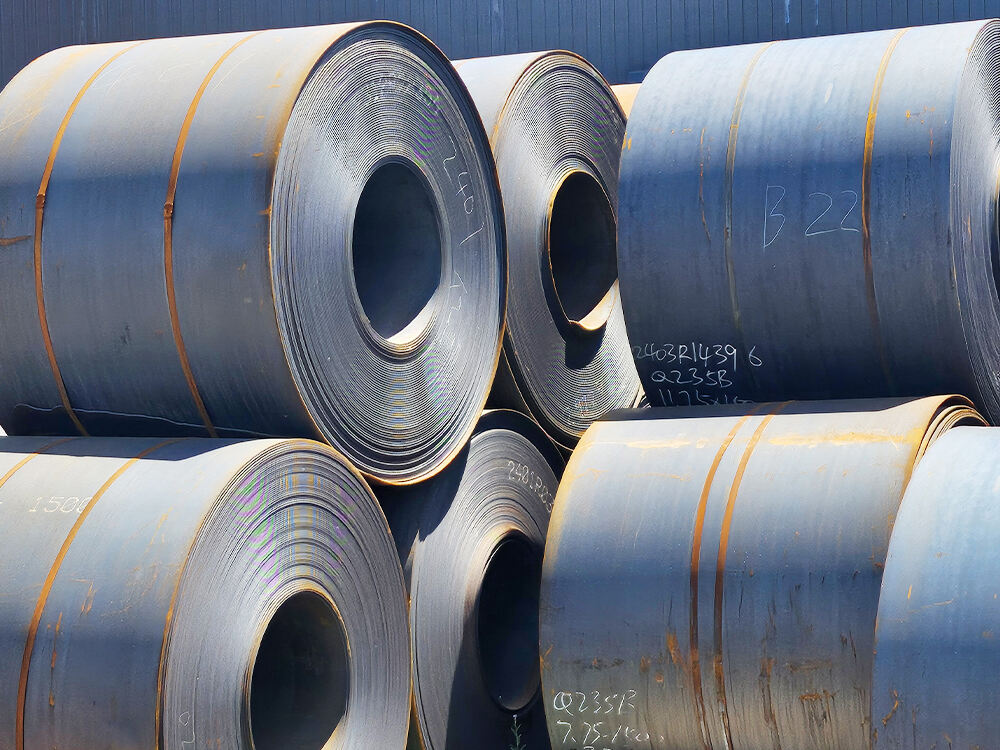
13
Nov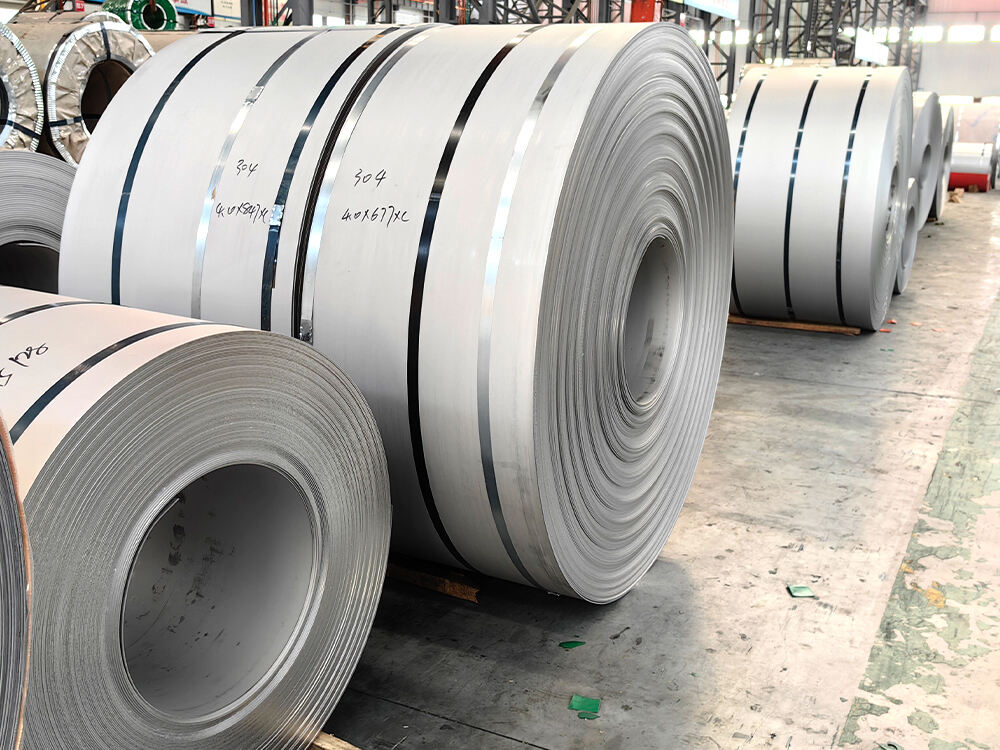
20
Nov
01
Apr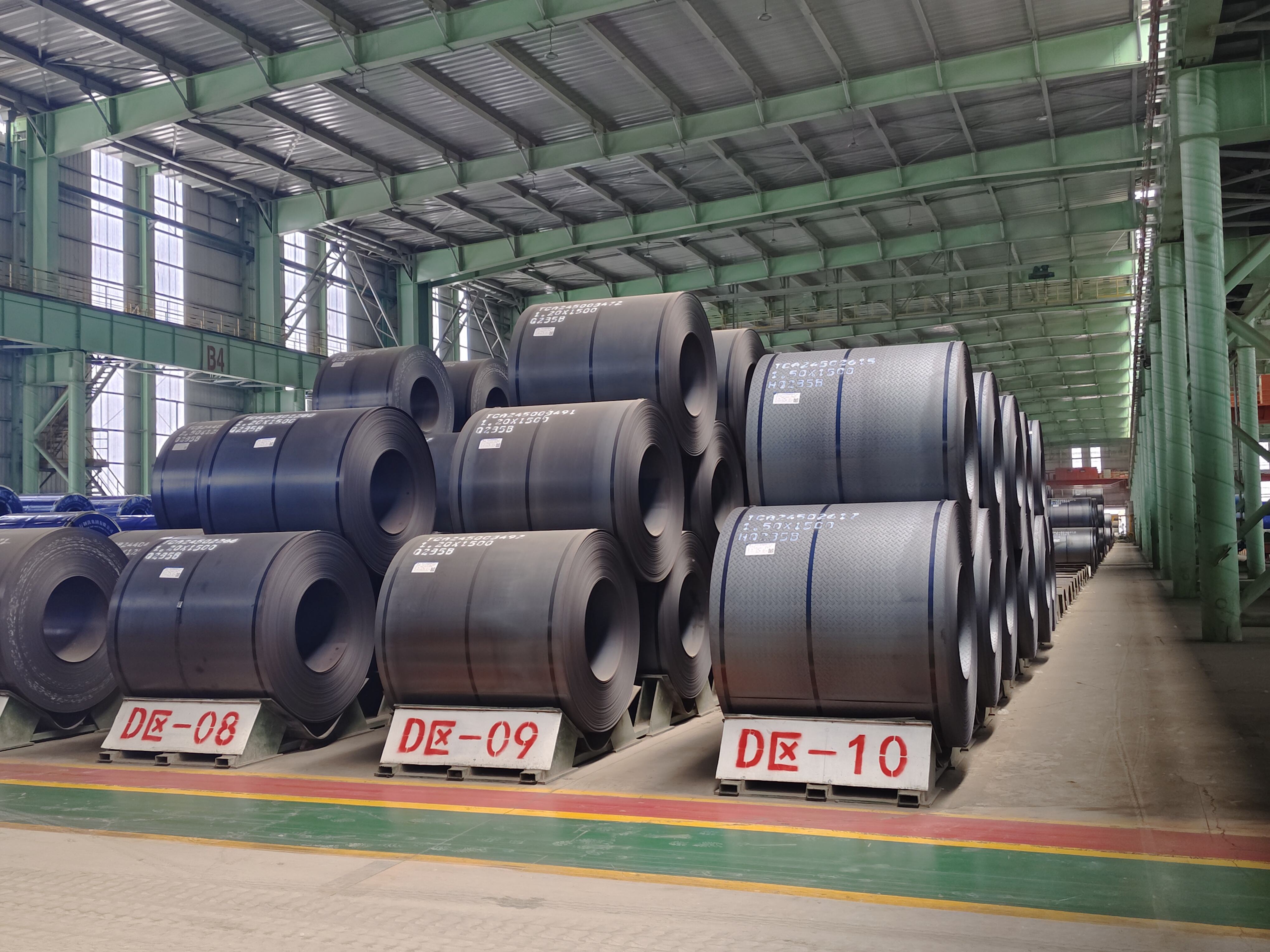

Copyright © 2024 by Shandong Hongzheng Metal Products Co., Ltd.

 EN
EN