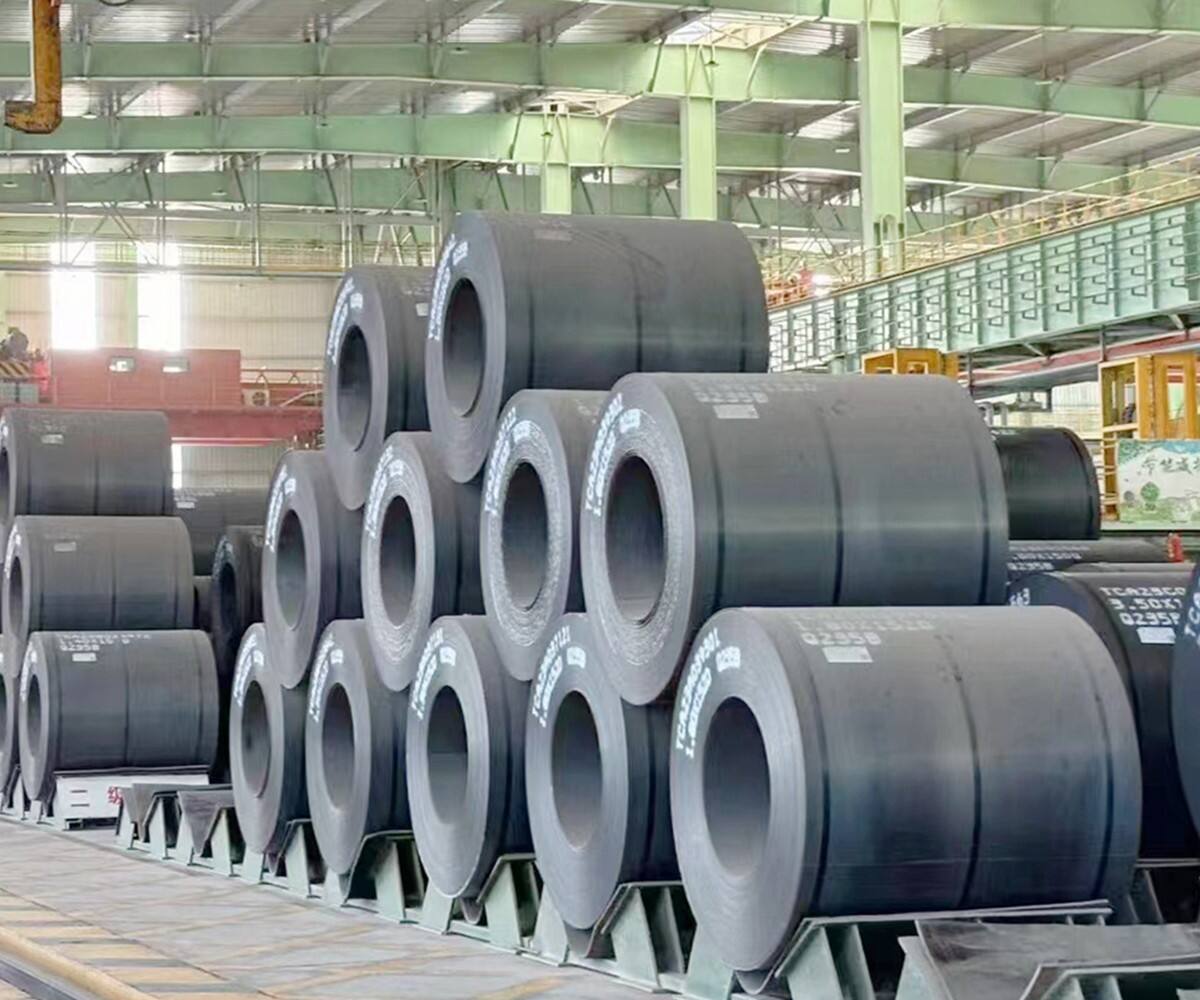
Carbon steel coil is an indispensable semi-finished product in global supply chains, serving as the primary input for a vast array of finished goods and components. Its production is a sophisticated interplay of metallurgy and engineering, ensuring that the final coiled strip meets precise chemical, mechanical, and dimensional criteria. The classification of carbon steel coils often revolves around the carbon content and the processing method. Hot-rolled coils are produced at high temperatures, resulting in a scaled surface and are generally used where surface finish is less critical but strength and cost are priorities. Cold-rolled coils, derived from further processing hot-rolled pickled coils, exhibit superior surface finish, tighter tolerances, and enhanced mechanical properties due to work hardening and annealing, making them ideal for applications requiring high precision and aesthetic quality. The appliance and white goods industry is a major end-user, where carbon steel coils are stamped, drawn, and painted to form the outer cabinets of refrigerators, washing machines, and ovens. The material must possess consistent deep-drawing qualities to prevent tearing or wrinkling during forming. In the construction of a commercial refrigeration unit, for instance, a drawing-quality (DQ) cold-rolled carbon steel coil would be selected for its excellent formability and surface characteristics prior to powder coating. The furniture industry utilizes these coils for manufacturing office furniture frames, filing cabinets, and shelving systems, often requiring specific tempers to facilitate bending without cracking. Another significant application is in the electrical industry for the production of motor laminations, transformer cores, and electrical enclosures, where magnetic properties (in specific low-carbon grades) and shielding effectiveness are important. The automotive supply chain further processes carbon steel coils into myriad components through stamping presses, including brackets, reinforcements, and wheel rims, demanding high consistency in material properties to ensure part-to-part repeatability. The utility of carbon steel coil extends to the fabrication of storage tanks, silos, and pressure vessels, where plates cut from coils are rolled and welded, requiring stringent adherence to quality standards for weld integrity and pressure containment. When specifying carbon steel coil, engineers must consider not only the grade and mechanical properties but also the coil's packaging to prevent damage during transit and storage. For comprehensive technical support in selecting the optimal carbon steel coil for your manufacturing process, and to obtain specific information on available inventories, certifications, and pricing, please contact our customer service department. We are committed to providing solutions that align with your technical and commercial objectives.
25
Dec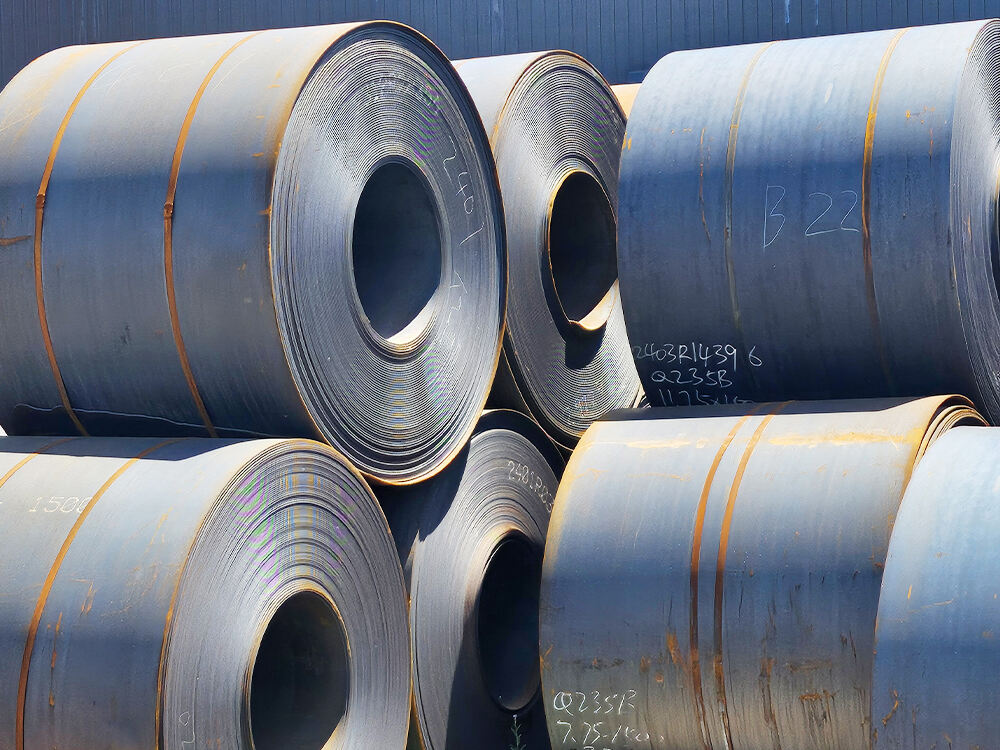
13
Nov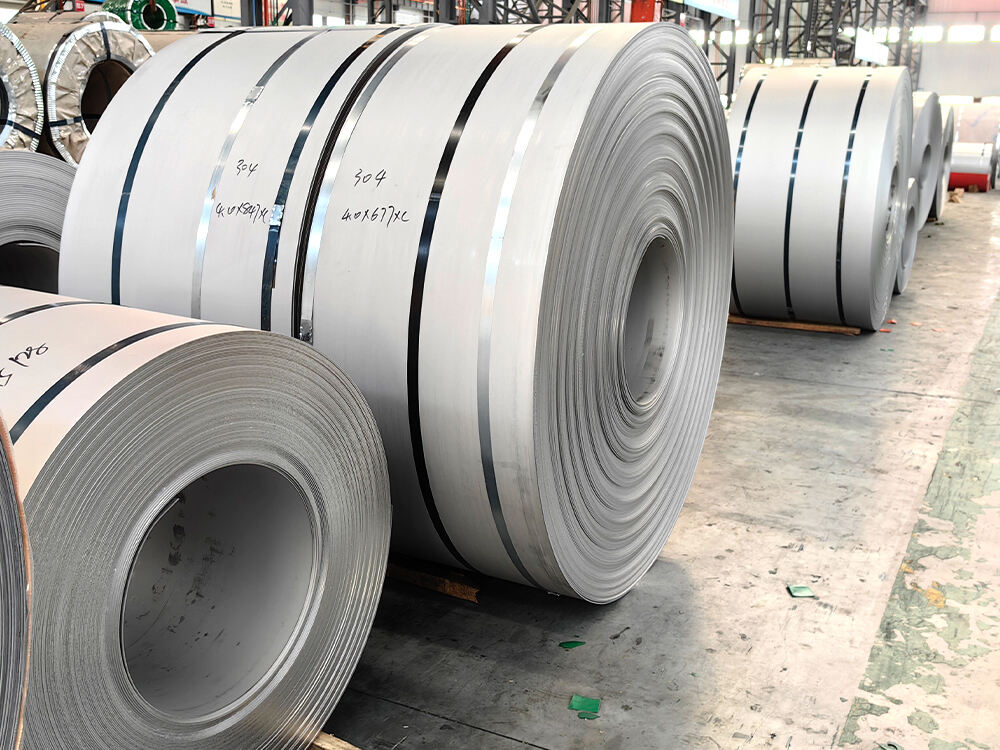
20
Nov
01
Apr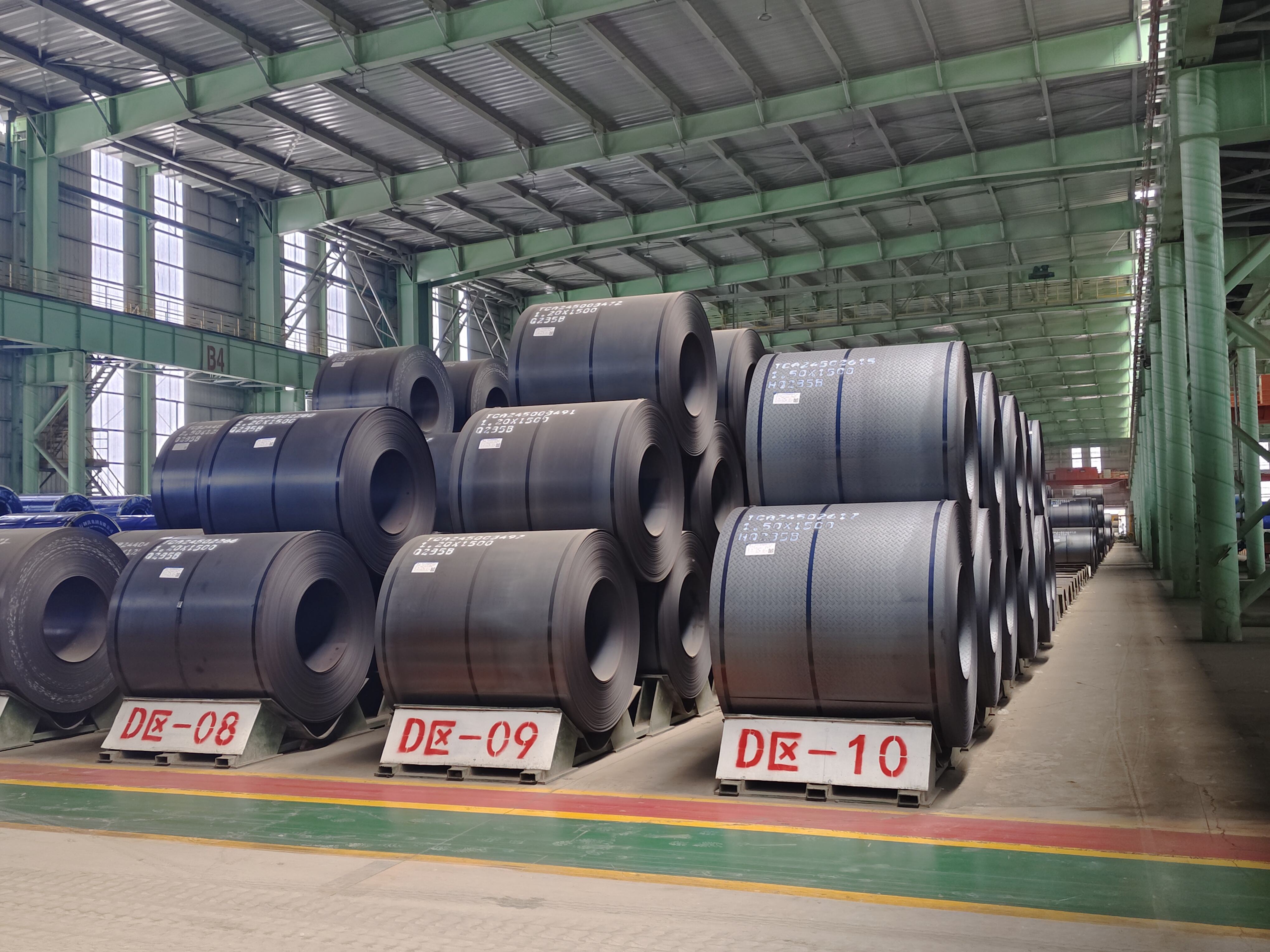

Copyright © 2024 by Shandong Hongzheng Metal Products Co., Ltd.

 EN
EN