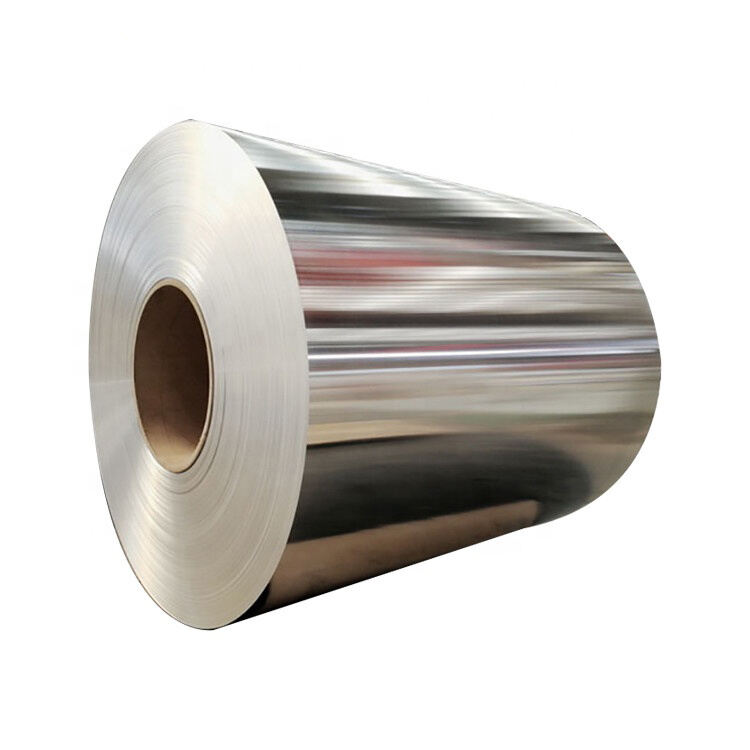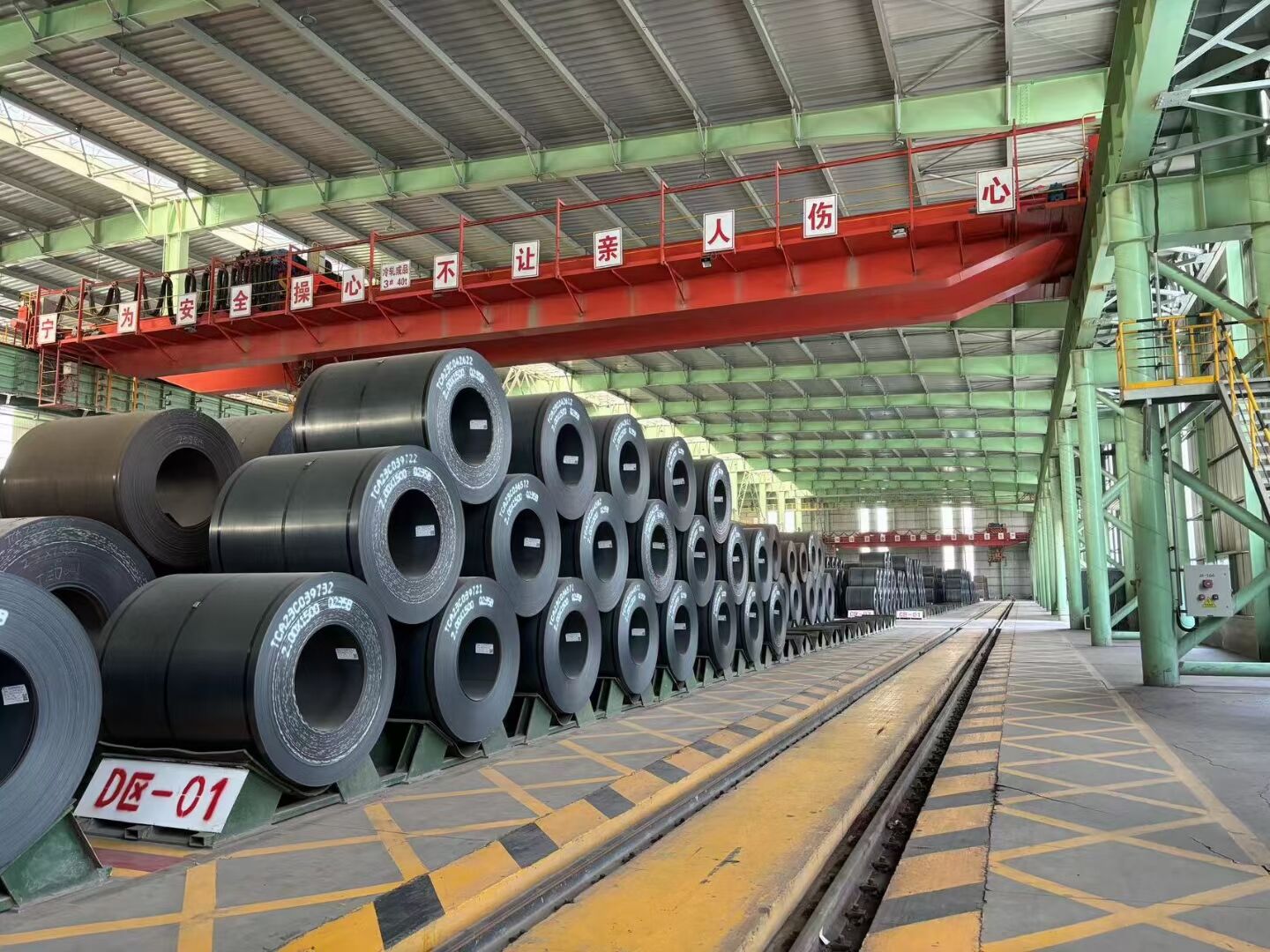
Carbon steel coil is an essential semi-finished product that forms the backbone of many manufacturing industries, owing to its excellent mechanical properties and economic feasibility. The material is defined by its iron-carbon alloy composition, with carbon being the principal hardening agent. The manufacturing sequence typically involves hot rolling to achieve the desired thickness, followed by coiling. For enhanced surface properties and dimensional accuracy, the hot-rolled coil can be further processed through a pickling line to remove oxide scale and then cold-rolled to a thinner gauge, often followed by annealing in a controlled atmosphere to recrystallize the grain structure and restore ductility. The final product is a tightly wound coil of steel strip with precisely controlled width, thickness, and internal diameter. Its applications are pervasive across industries. In the construction sector, carbon steel coils are processed into various profiles for structural framing, roof purlins, and wall girts in pre-engineered metal buildings. The consistent quality of the coil is vital for the automated roll-forming process to ensure dimensional accuracy and structural performance. The automotive industry relies on specific grades of carbon steel coil for manufacturing both exposed and unexposed components, from body panels and fenders to structural reinforcements and seat frames, requiring a combination of high strength, good formability, and consistent surface quality for painting. The pipe and tube manufacturing sector is a major consumer, where carbon steel coil is formed and welded into longitudinal seam pipes used in plumbing, fencing, scaffolding, and structural applications. For example, in the oil and gas industry, coils meeting API 5L specifications are used to produce pipes for gathering lines and transmission pipelines. The general fabrication and engineering industry uses carbon steel coils for a multitude of purposes, including the manufacture of storage tanks, agricultural implements, and machinery components, where weldability and machinability are key considerations. When procuring carbon steel coil, factors such as the coil's weight, width, and inner/outer diameter must be specified to ensure compatibility with handling and processing equipment. The availability of different grades and surface finishes allows for customization based on the end-use. For detailed technical information, including chemical composition and mechanical property ranges for our available carbon steel coil products, and to receive a customized quotation, please contact our customer service team. We are dedicated to providing comprehensive support and high-quality materials for your manufacturing needs.
25
Dec
13
Nov
20
Nov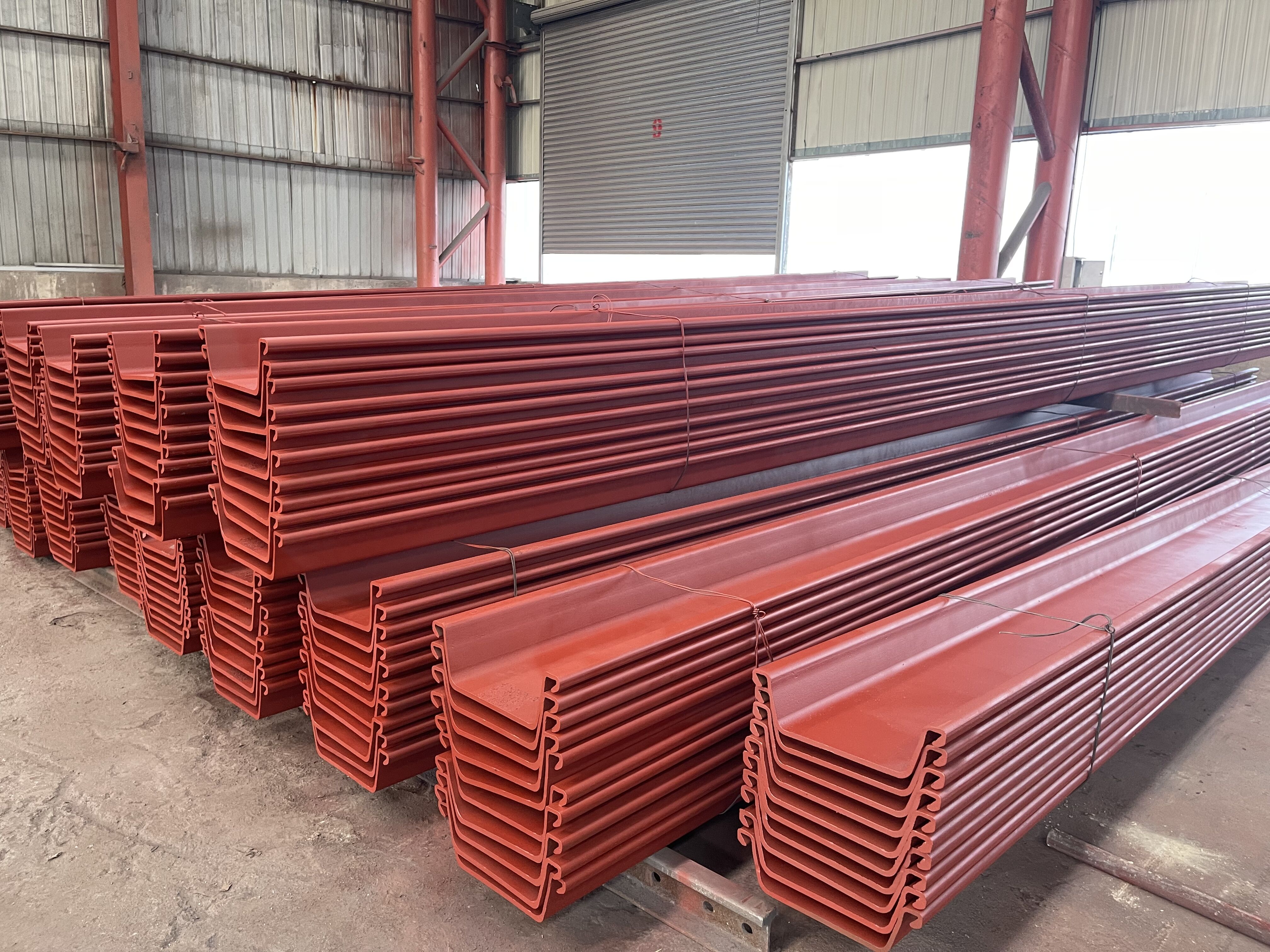
01
Apr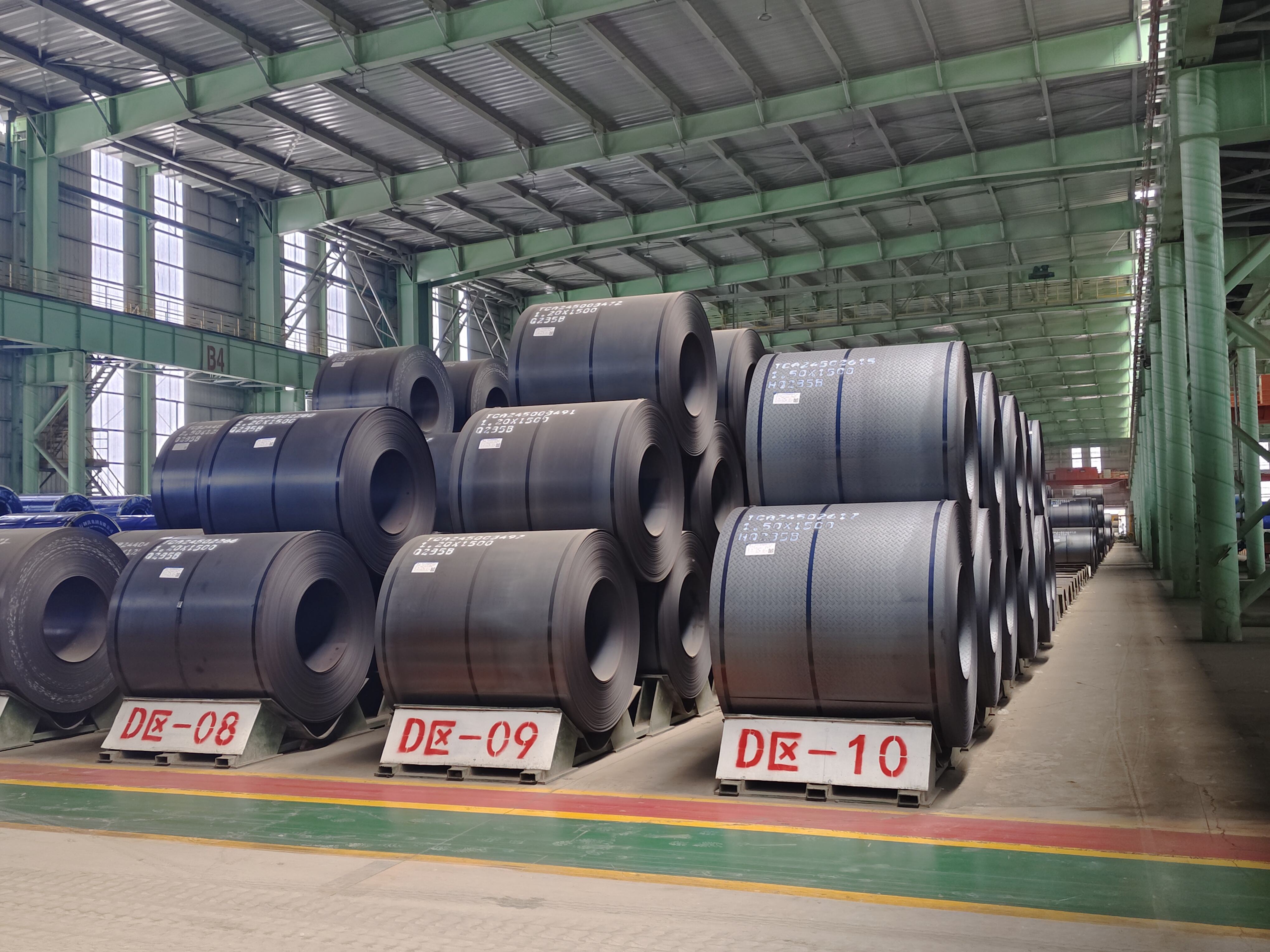
Copyright © 2024 by Shandong Hongzheng Metal Products Co., Ltd.
 EN
EN