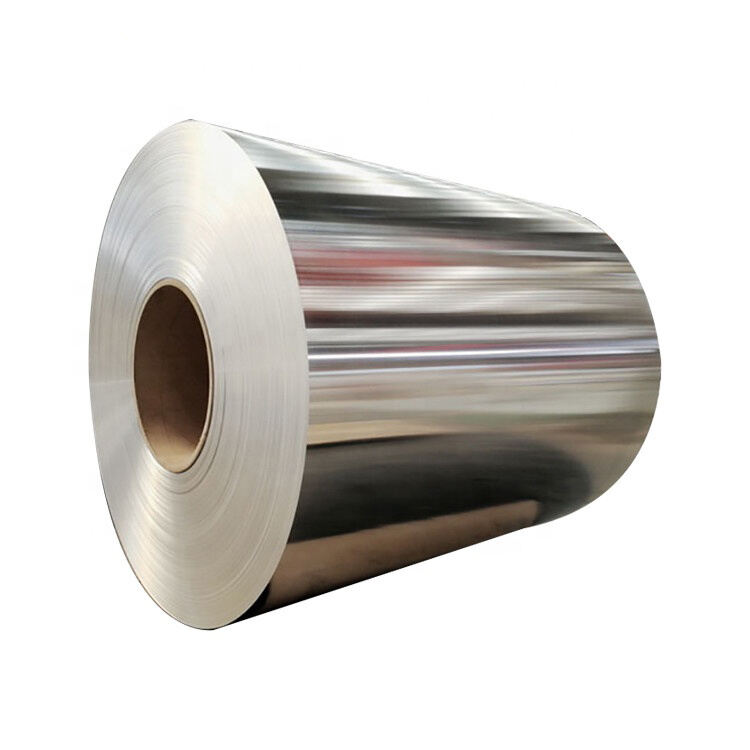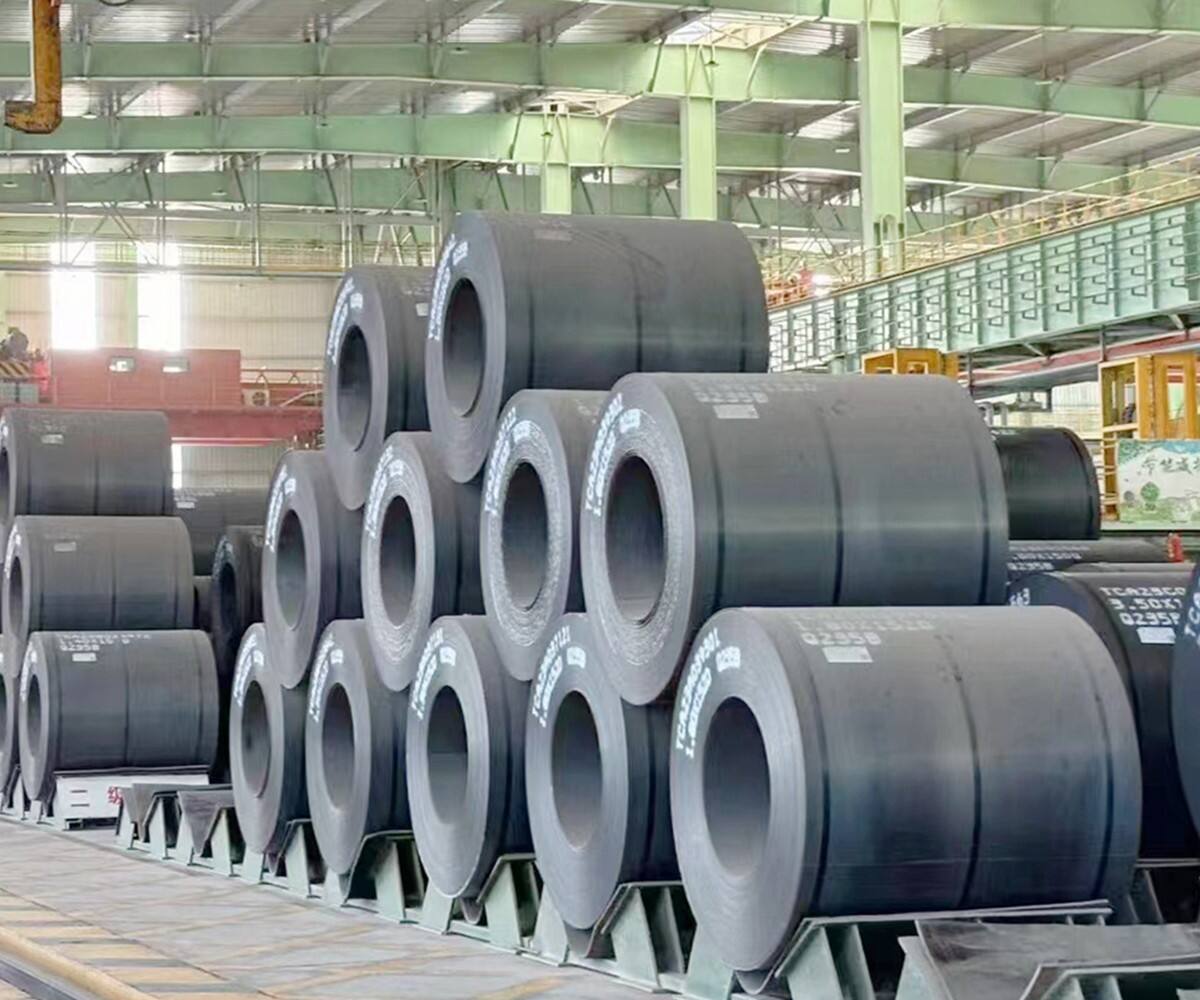
In the realm of industrial commodities, carbon steel coil holds a position of critical importance due to its adaptability and performance across a spectrum of demanding environments. The manufacturing process begins with continuous casting of steel slabs, which are then reheated and reduced to thin strip through hot rolling mills, followed by coiling at high temperatures. For enhanced surface quality and dimensional precision, the hot-rolled coil may undergo further processing through a pickling line to remove scale and then through a cold reduction mill and annealing furnace. This results in a cold-rolled coil with improved surface finish, tighter thickness tolerances, and controlled mechanical properties suitable for severe forming operations. The end-use applications are diverse and extensive. A prominent use case is in the fabrication of pressure vessels and boilers, where plates cut from carbon steel coils are rolled and welded into cylindrical shells and heads. The material must comply with stringent codes such as ASME Boiler and Pressure Vessel Code, requiring specific chemistry and mechanical properties to ensure safety under high pressure and temperature. The transportation and logistics sector utilizes carbon steel coils for manufacturing trailer bodies, container flooring, and structural members for railcars, where the material's toughness and durability are paramount. In the context of building construction, carbon steel coils are the raw material for producing corrugated steel sheets used in roofing and siding, as well as for reinforcing bars (after further processing) in concrete structures. The agricultural machinery sector, including manufacturers of tractors and combines, uses carbon steel coils for fabricating protective housings, chassis components, and cutting blades, often requiring abrasion-resistant grades or subsequent hardening treatments. The selection process for carbon steel coil must account for the entire manufacturing workflow, from initial decoiling and leveling to final assembly. Factors such as coil set, camber, and flatness can significantly impact the efficiency of automated production lines. For projects with unique requirements or those needing verification of material properties against international standards, we recommend direct consultation with our technical staff. Please contact us to discuss your specific needs for carbon steel coil, and we will provide you with comprehensive product information and a competitive quotation tailored to your volume and specification requirements.
25
Dec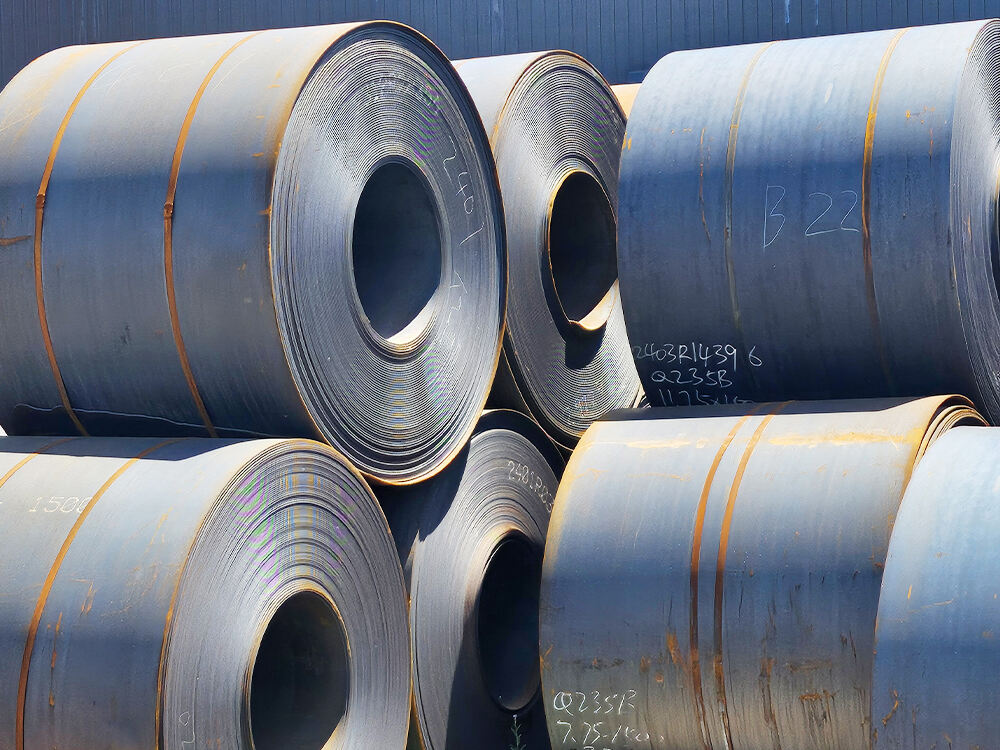
13
Nov
20
Nov
01
Apr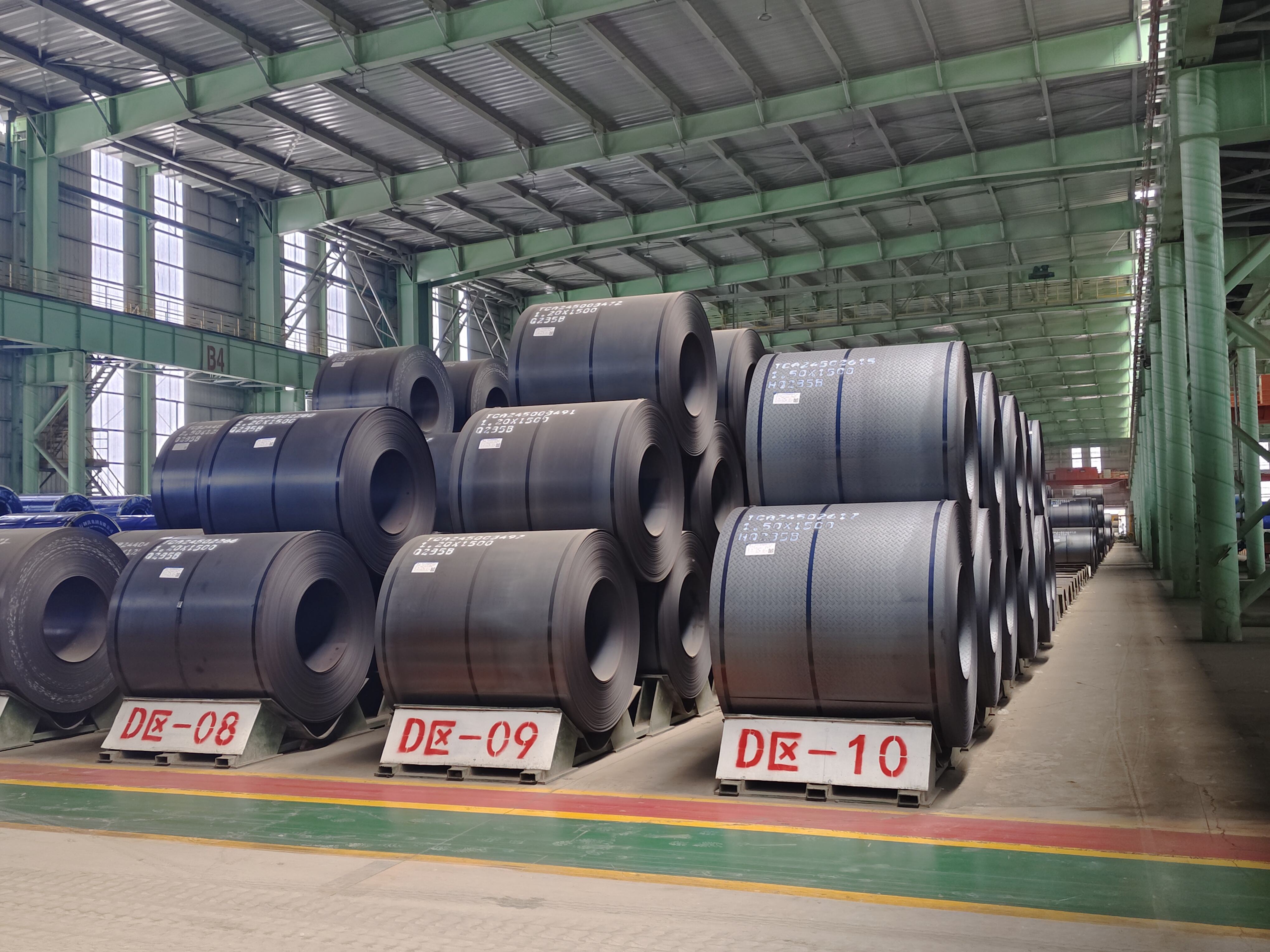
Copyright © 2024 by Shandong Hongzheng Metal Products Co., Ltd.
 EN
EN