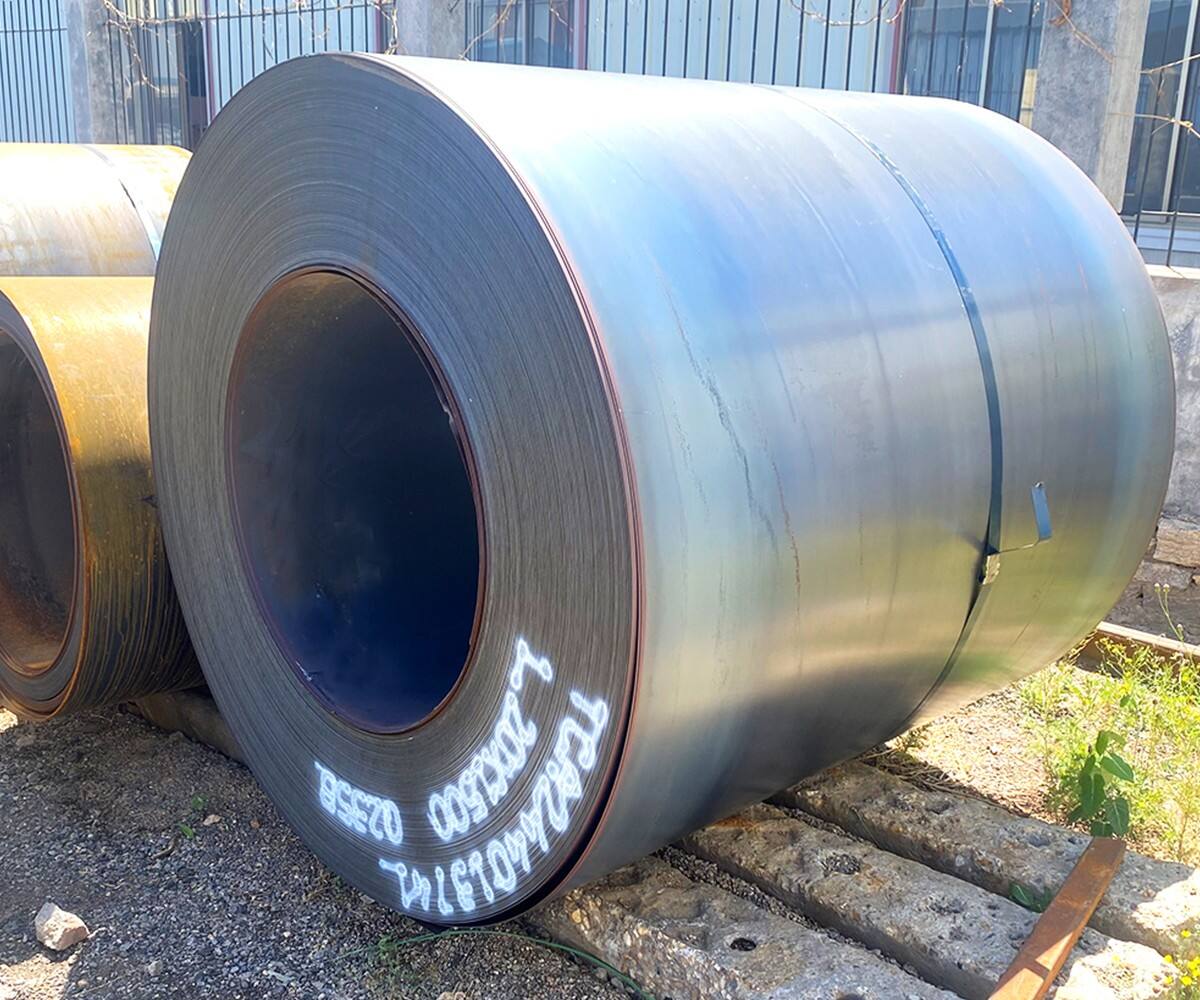
The industrial significance of carbon steel coil is rooted in its foundational role as a primary feedstock for countless manufacturing and construction processes worldwide. This product form, essentially a long, continuous strip of carbon steel wound into a coil, is engineered to deliver a specific set of mechanical and physical properties tailored to downstream processing and final product requirements. The metallurgical composition is primarily iron and carbon, with the carbon content dictating the fundamental characteristics: low-carbon steels (e.g., 1008, 1010) are malleable and easily welded, medium-carbon steels (e.g., 1030, 1045) offer a balance of strength and ductility, and high-carbon steels (e.g., 1075, 1095) provide high wear resistance and strength. The manufacturing route, whether hot rolling followed by controlled cooling or cold rolling involving annealing and tempering, defines the final grain structure, surface quality, and mechanical attributes like yield point and elongation. A key application area is the production of welded steel tubing and pipes, where carbon steel coil is fed into forming mills and welded longitudinally to create seams. These tubes are ubiquitous in fluid transport systems, structural hollow sections, and mechanical applications. For example, in the construction of a commercial building's fire sprinkler system, specific ASTM A513 grade carbon steel coils would be used to produce ERW (Electric Resistance Welded) pipes that meet pressure and safety standards. Another extensive application is in the creation of profiles and sections via roll forming, where the coil is progressively shaped through a series of rolls to produce complex cross-sections for architectural panels, railings, or door frames. The agricultural equipment industry utilizes carbon steel coils for manufacturing plowshares, cultivator tines, and harvester components, where abrasion resistance and formability are critical. The material's performance is often enhanced through subsequent heat treatment or surface coating processes. The packaging industry also relies on thinner gauge carbon steel coils for producing strapping bands, steel straps, and metal closures, requiring precise control over tensile strength and surface finish. The selection of the correct carbon steel coil involves a detailed analysis of the intended fabrication method—be it stamping, bending, welding, or cutting—and the service environment of the final product. Factors such as coil weight, width, and inner diameter are logistical considerations that impact material handling and processing efficiency in production facilities. For inquiries regarding the availability of specific grades, thickness ranges, or to discuss custom processing options such as slitting or leveling to suit your production line requirements, we invite you to contact us directly. Our specialists are prepared to provide expert guidance and competitive pricing information based on your detailed specifications.
25
Dec
13
Nov
20
Nov
01
Apr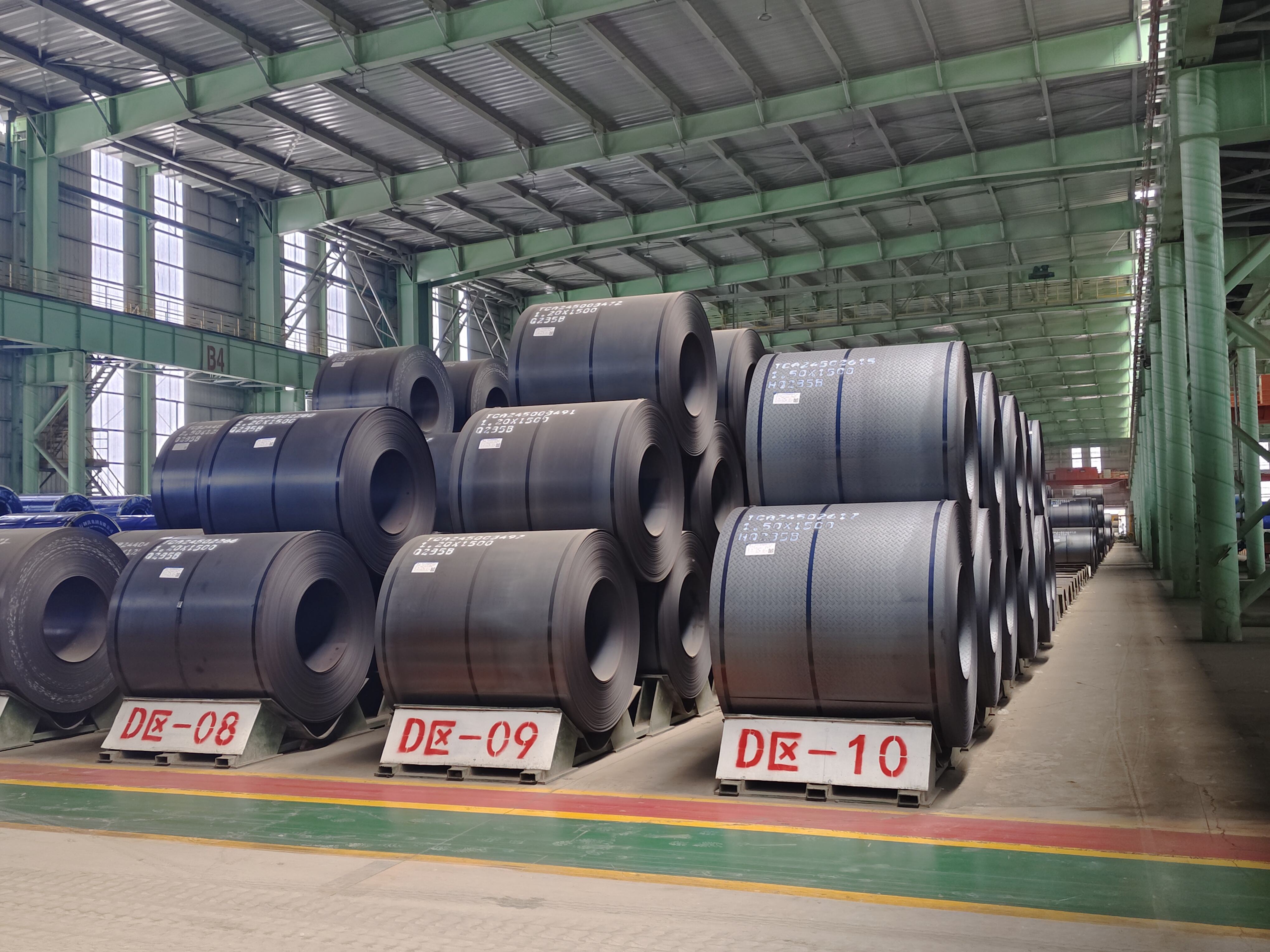

Copyright © 2024 by Shandong Hongzheng Metal Products Co., Ltd.
 EN
EN