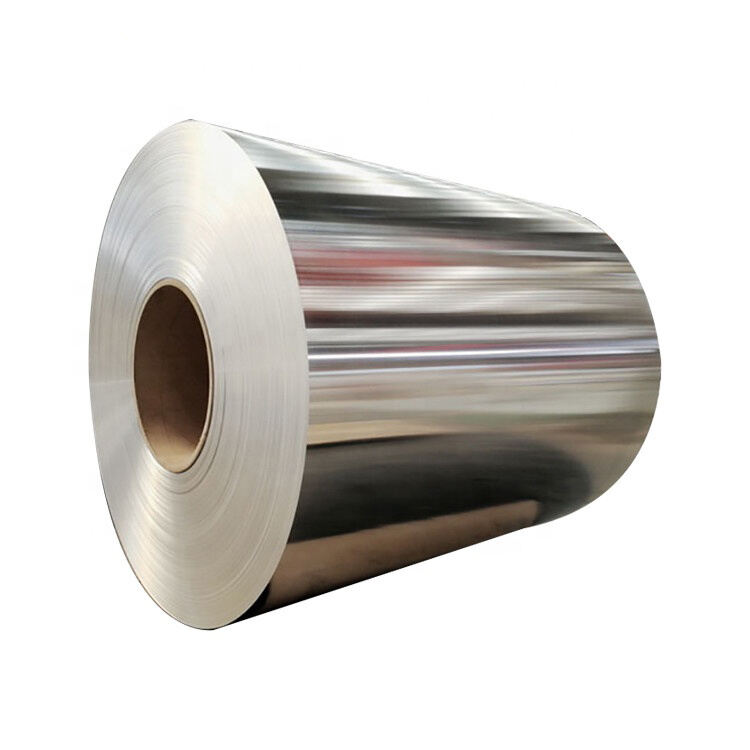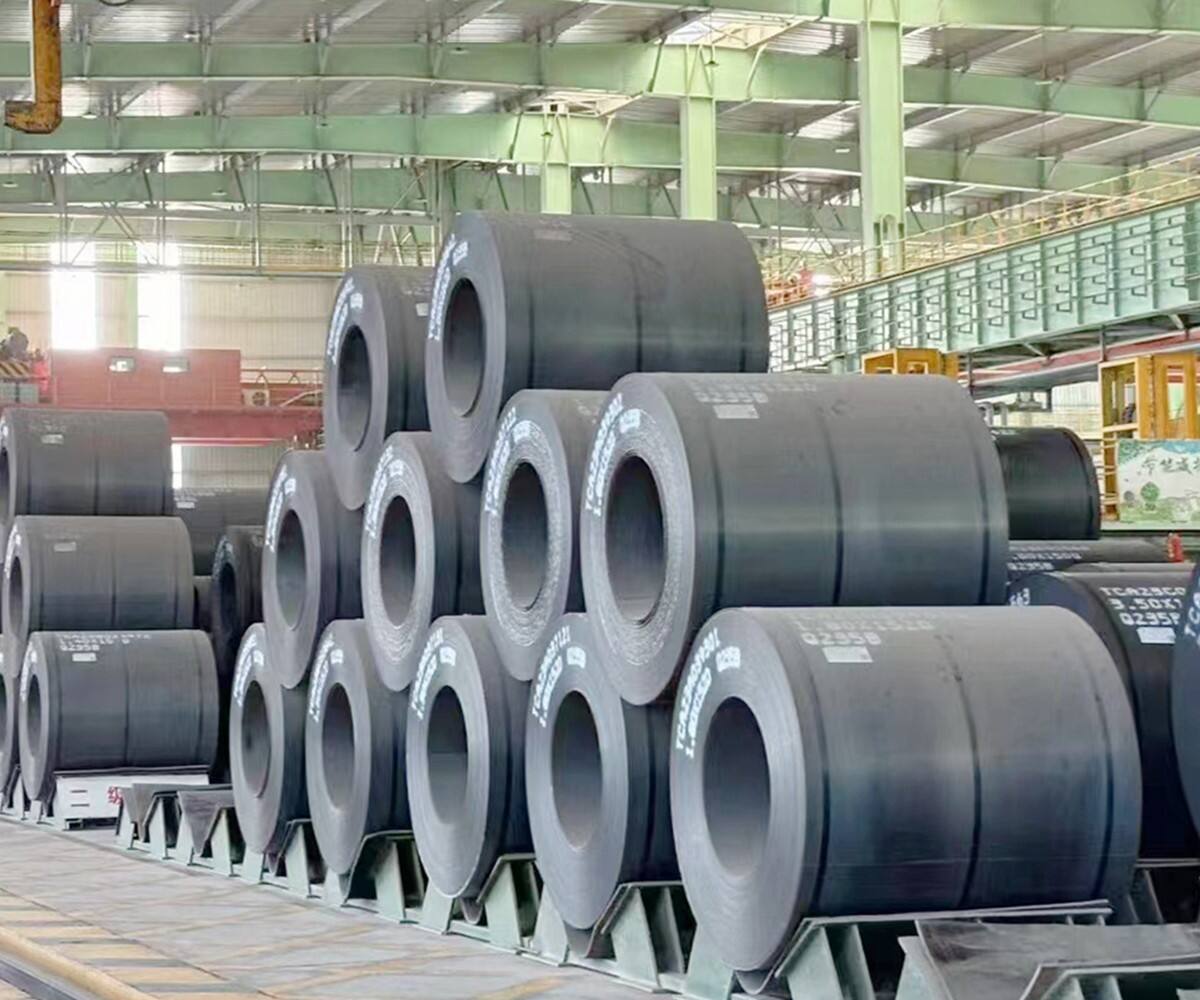
Within the extensive portfolio of industrial metals, carbon steel coil is a fundamental product line, prized for its structural capabilities and manufacturing flexibility. The production entails precise control over chemistry and rolling parameters to achieve a coiled strip with specific mechanical attributes. The carbon content is the primary factor influencing hardness and strength: low-carbon steels (C: 0.05%-0.15%) are exceptionally formable, medium-carbon steels (C: 0.30%-0.60%) offer a good balance, and high-carbon steels (C: 0.60%-1.00%) provide maximum hardness. The manufacturing path—hot rolling versus cold rolling—further defines the product. Hot-rolled coils are generally more economical with a scaled surface, while cold-rolled coils undergo additional reduction and annealing, resulting in a superior surface finish, tighter dimensional control, and enhanced mechanical properties ideal for precision stamping and forming. The application diversity of carbon steel coil is a reflection of its adaptable nature. In the construction industry, it is the primary material for producing structural sections via hot rolling of heavier gauges or for manufacturing profiled steel sheets for architectural cladding and decking. For instance, in the erection of an airport terminal, specific fire-resistant grades of carbon steel coil might be used to form composite floor decking that integrates with concrete. The transportation equipment sector, including shipbuilding and railway rolling stock, utilizes carbon steel coils for hull plates, wagon bodies, and structural components, requiring toughness and good weldability. The energy sector, particularly in the fabrication of wind turbine towers and transmission poles, relies on high-strength carbon steel coils that are formed into conical sections and welded, demanding excellent low-temperature impact properties. The general engineering and machinery manufacturing industry uses these coils for fabricating frames, bases, and housings for industrial equipment, where machinability and weldability are paramount. Additionally, the consumer goods industry transforms carbon steel coil into a myriad of products, from office furniture and storage lockers to kitchenware and tools, often requiring specific surface treatments for aesthetics and durability. Selecting the optimal carbon steel coil requires a comprehensive analysis of the final product's functional requirements, the fabrication methods to be employed, and the environmental conditions it will face. We are positioned to supply a comprehensive range of carbon steel coils that conform to various international standards and customer-specific requirements. For assistance in material selection and to obtain a competitive quote based on your detailed specifications, please contact our sales and engineering support team. We are committed to delivering high-quality materials and technical expertise to support your manufacturing success.
25
Dec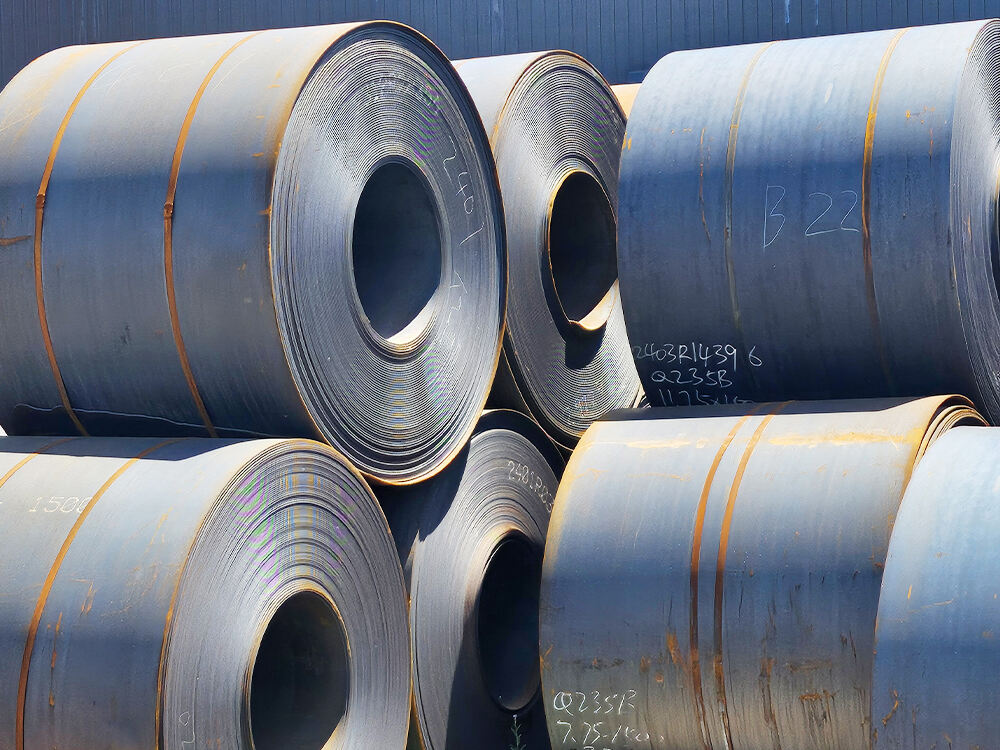
13
Nov
20
Nov
01
Apr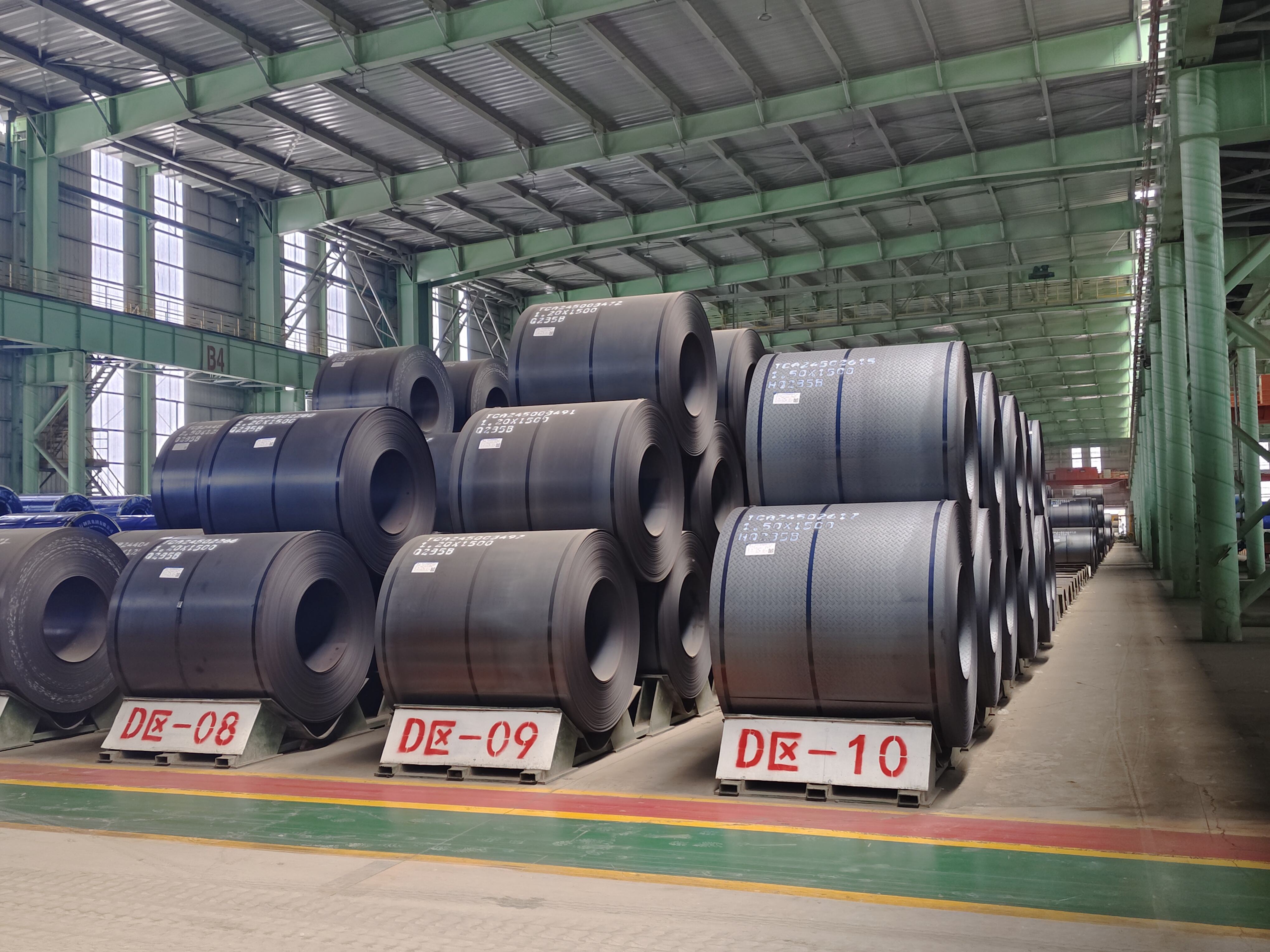

Copyright © 2024 by Shandong Hongzheng Metal Products Co., Ltd.

 EN
EN