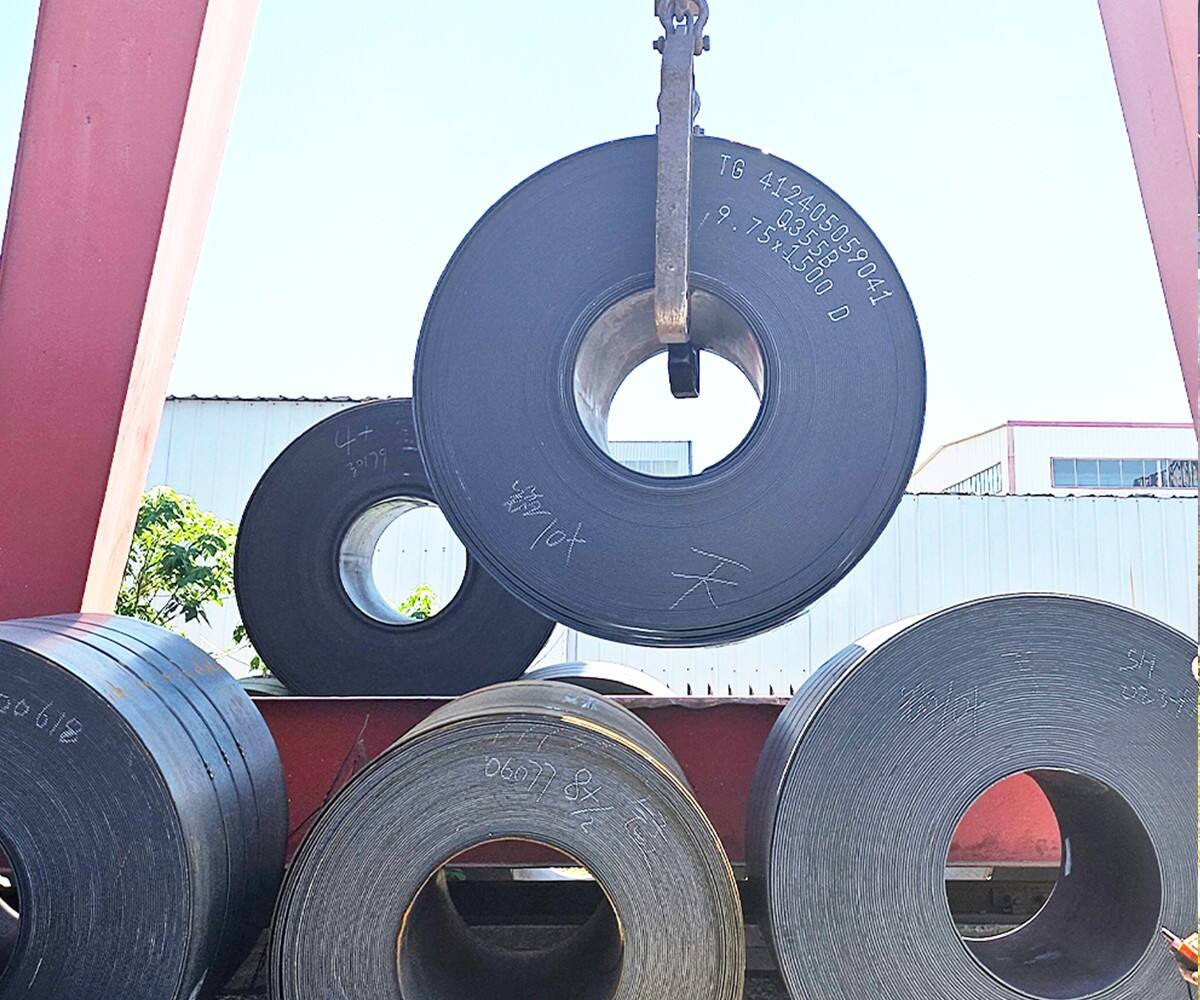
The global demand for carbon steel coil is a testament to its fundamental role as an enabler of industrial production and infrastructure development. This product is characterized by its form as a continuous, wound strip of carbon steel, available in a wide spectrum of widths, thicknesses, and grades to suit disparate industrial needs. The metallurgical properties are precisely engineered; low-carbon steels (e.g., SAE 1006, 1008) are optimized for excellent weldability and formability, making them suitable for intricate stampings, while higher carbon grades (e.g., SAE 1045, 1050) provide the hardness and strength required for cutting tools, springs, and high-stress components. The surface condition is a critical quality parameter: hot-rolled coils may exhibit a characteristic blue oxide layer after pickling, while cold-rolled coils are supplied with a smooth, matte or bright finish, ready for immediate fabrication or coating. One of the most demanding application sectors is the automotive chassis and suspension component manufacturing. Here, high-strength carbon steel coils, often micro-alloyed with elements like niobium or vanadium, are blanked and formed into control arms, subframes, and stabilizer bars. These components must endure cyclic loading and impact forces, necessitating material with high fatigue strength and consistent mechanical properties throughout the coil length. Another vital application is in the production of structural hollow sections (SHS) and circular hollow sections (CHS) used in construction, where coils are formed and welded into square, rectangular, or round tubes that offer excellent strength-to-weight ratios for architectural frameworks and space frames. The material's uniformity is crucial for consistent weld quality and dimensional stability of the final tube. The manufacturing of industrial fans, blowers, and ventilation systems also relies on carbon steel coils, which are cut and formed into impellers, housings, and ductwork. In a specific scenario, a galvanized carbon steel coil might be selected for an outdoor air handling unit due to its added corrosion protection. Furthermore, the material is fundamental in producing a wide range of fasteners, nails, and wire products, where the coil is drawn or formed into the final shape, requiring specific ductility and strength characteristics. Selecting the appropriate carbon steel coil requires a thorough understanding of the fabrication processes involved, such as welding, which may require grades with lower carbon equivalent (CE) values to prevent cold cracking. For detailed specifications, material test certificates, and guidance on the most cost-effective grade for your application, we invite you to contact our sales and engineering support team. We are poised to assist you in sourcing the ideal carbon steel coil to meet your performance and budgetary targets.
25
Dec
13
Nov
20
Nov
01
Apr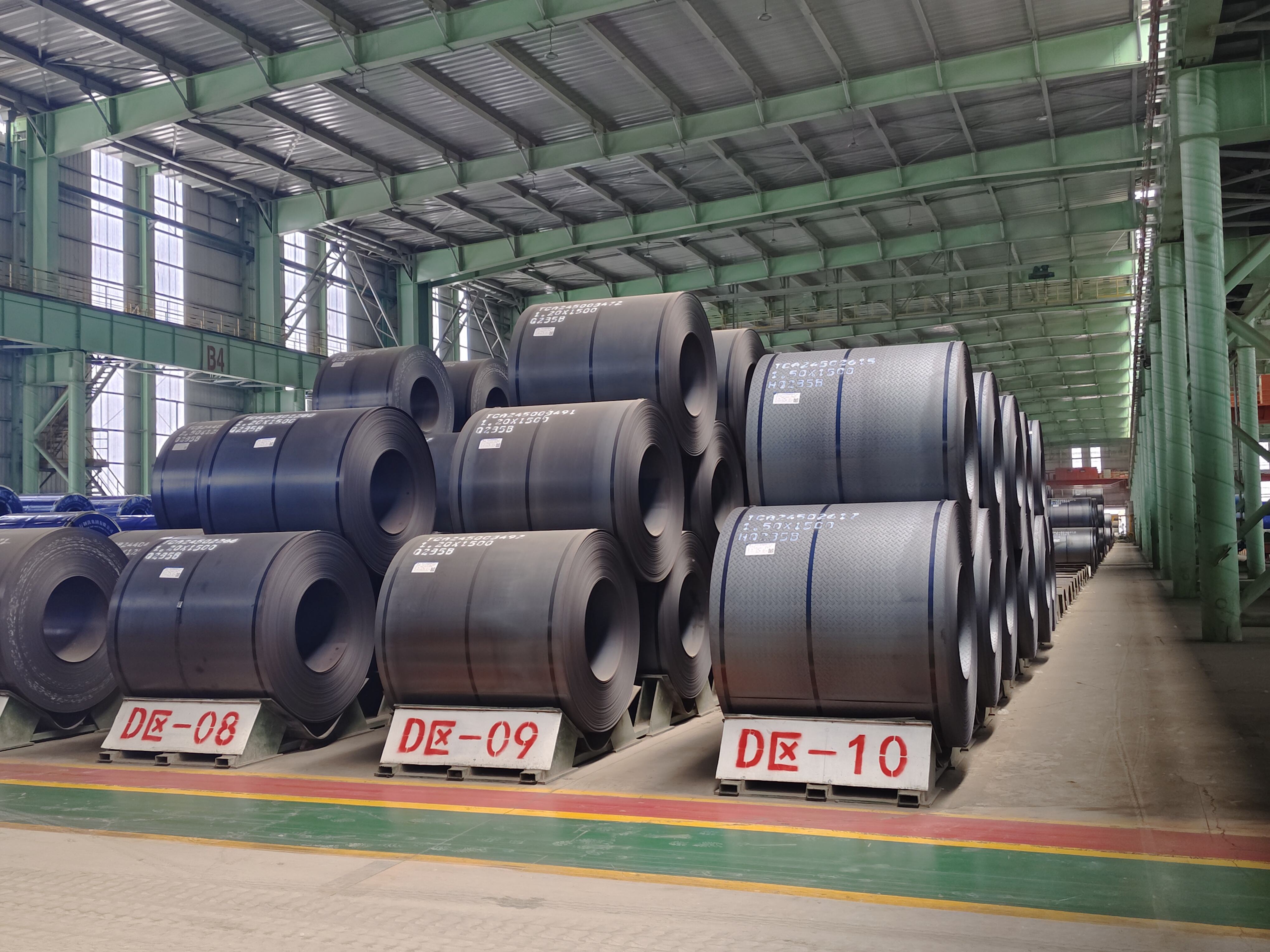

Copyright © 2024 by Shandong Hongzheng Metal Products Co., Ltd.

 EN
EN