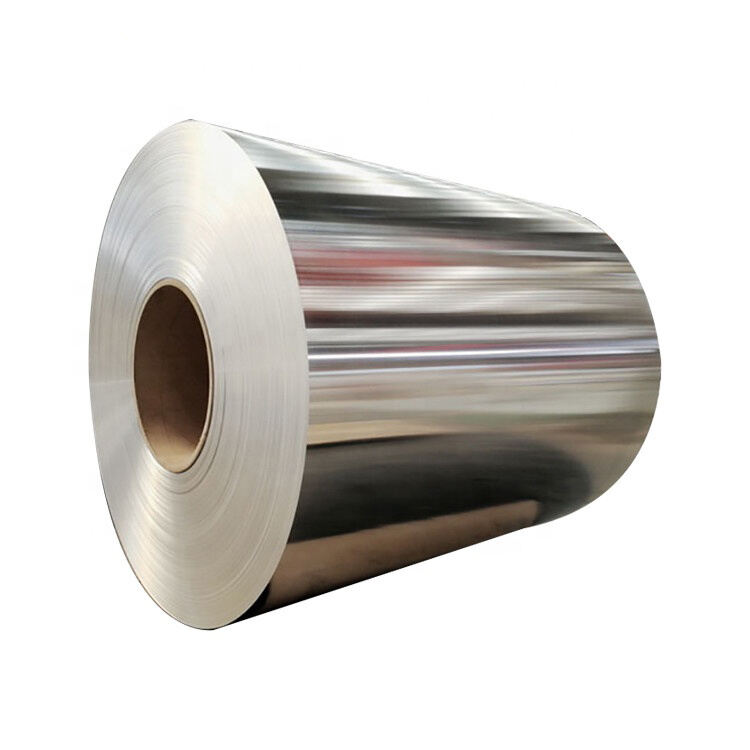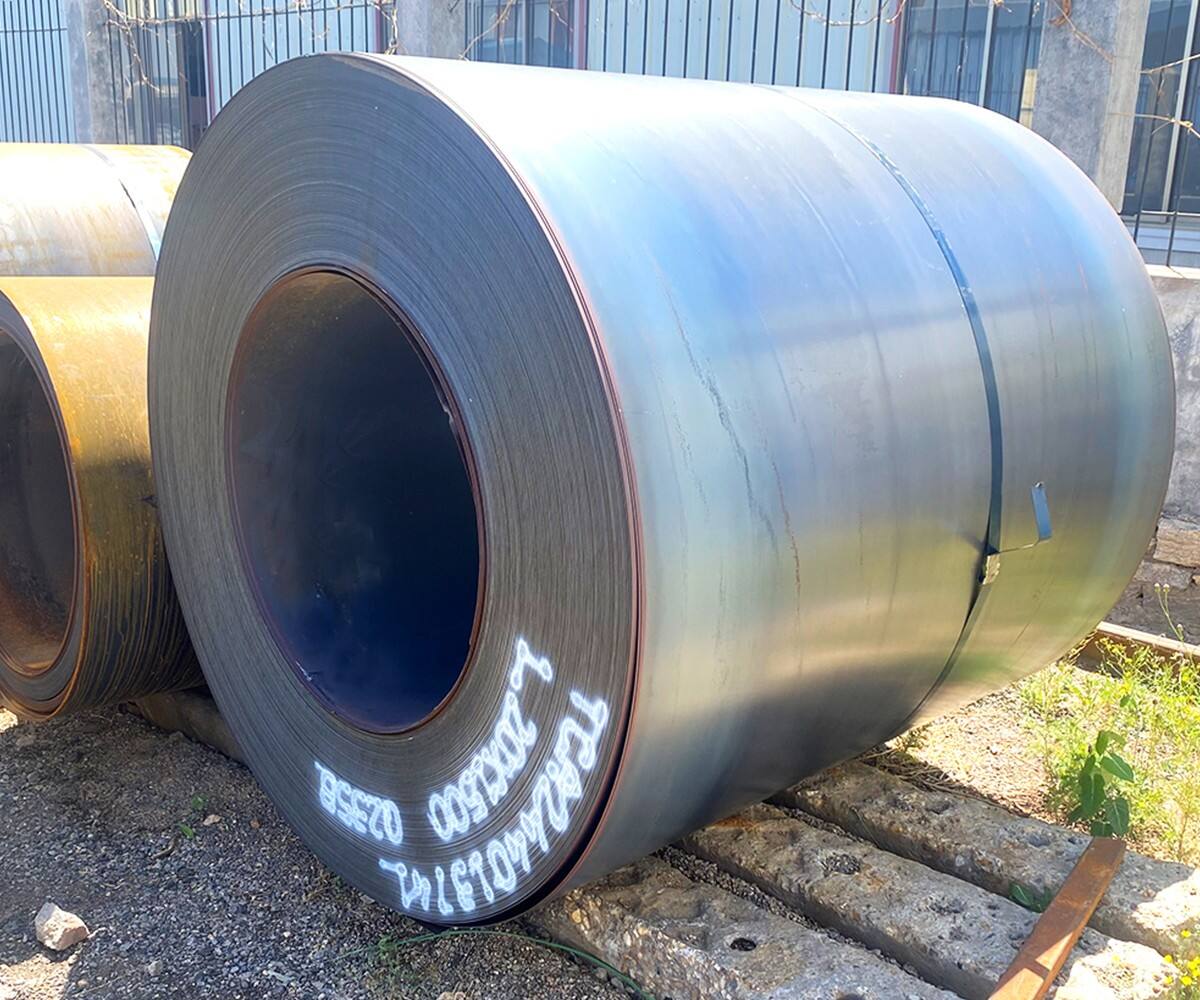
Carbon steel coil represents a fundamental and versatile material in modern industrial applications, characterized by its robust mechanical properties, cost-effectiveness, and adaptability across various sectors. This product is manufactured through a meticulous process involving hot rolling or cold rolling of carbon steel slabs, resulting in a continuous, coiled strip with precise thickness and width dimensions. The primary alloying element is carbon, which directly influences the material's strength, hardness, and weldability. Common grades range from low-carbon steels, known for their excellent formability and weldability, to high-carbon steels, which offer superior strength and wear resistance. The surface finish can vary, including hot-rolled pickled and oiled (HRPO) for enhanced corrosion resistance during storage or cold-rolled for a smoother, more precise finish suitable for subsequent fabrication. The dimensional tolerances, chemical composition, and mechanical properties such as yield strength, tensile strength, and elongation are strictly controlled to meet international standards like ASTM, JIS, and DIN, ensuring reliability in demanding applications. One of the most significant application scenarios for carbon steel coil is in the automotive industry, where it is extensively used in the manufacturing of structural components, chassis parts, and body panels. The material's high strength-to-weight ratio contributes to vehicle safety and fuel efficiency. For instance, in the production of car door beams and cross members, specific high-strength low-alloy (HSLA) grades of carbon steel coil are formed and stamped to provide critical impact protection. Another prominent sector is construction and infrastructure, where carbon steel coils serve as the raw material for producing structural sections, roofing and cladding profiles, and purlins. In a large-scale warehouse construction project, carbon steel coils might be uncoiled, leveled, and formed through roll-forming machines into custom C-section or Z-section purlins that provide essential structural support for the building envelope. The appliance manufacturing industry also relies heavily on carbon steel coils for fabricating outer casings, internal frames, and components for washing machines, refrigerators, and ovens, where consistent surface quality and formability are paramount for both aesthetic and functional requirements. Furthermore, the pipe and tube industry utilizes carbon steel coil as a primary feedstock for the production of welded pipes through continuous welding processes like ERW (Electric Resistance Welding) or HFI (High-Frequency Induction). These pipes are subsequently employed in oil and gas transmission, water pipelines, and structural applications such as scaffolding. For optimal performance in specific environments, surface treatments like galvanizing or painting are often applied post-fabrication. The selection of the appropriate carbon steel coil grade is a critical decision influenced by the end-use requirements, including the need for corrosion resistance, formability, strength, and weldability. Factors such as coil width, thickness, inner diameter, and weight must be precisely specified to ensure compatibility with downstream processing equipment like slitting lines, blanking lines, or stamping presses. For detailed technical specifications, available grades, and current pricing tailored to your specific project needs, we encourage you to contact our technical sales team for a comprehensive consultation and quotation.
25
Dec
13
Nov
20
Nov
01
Apr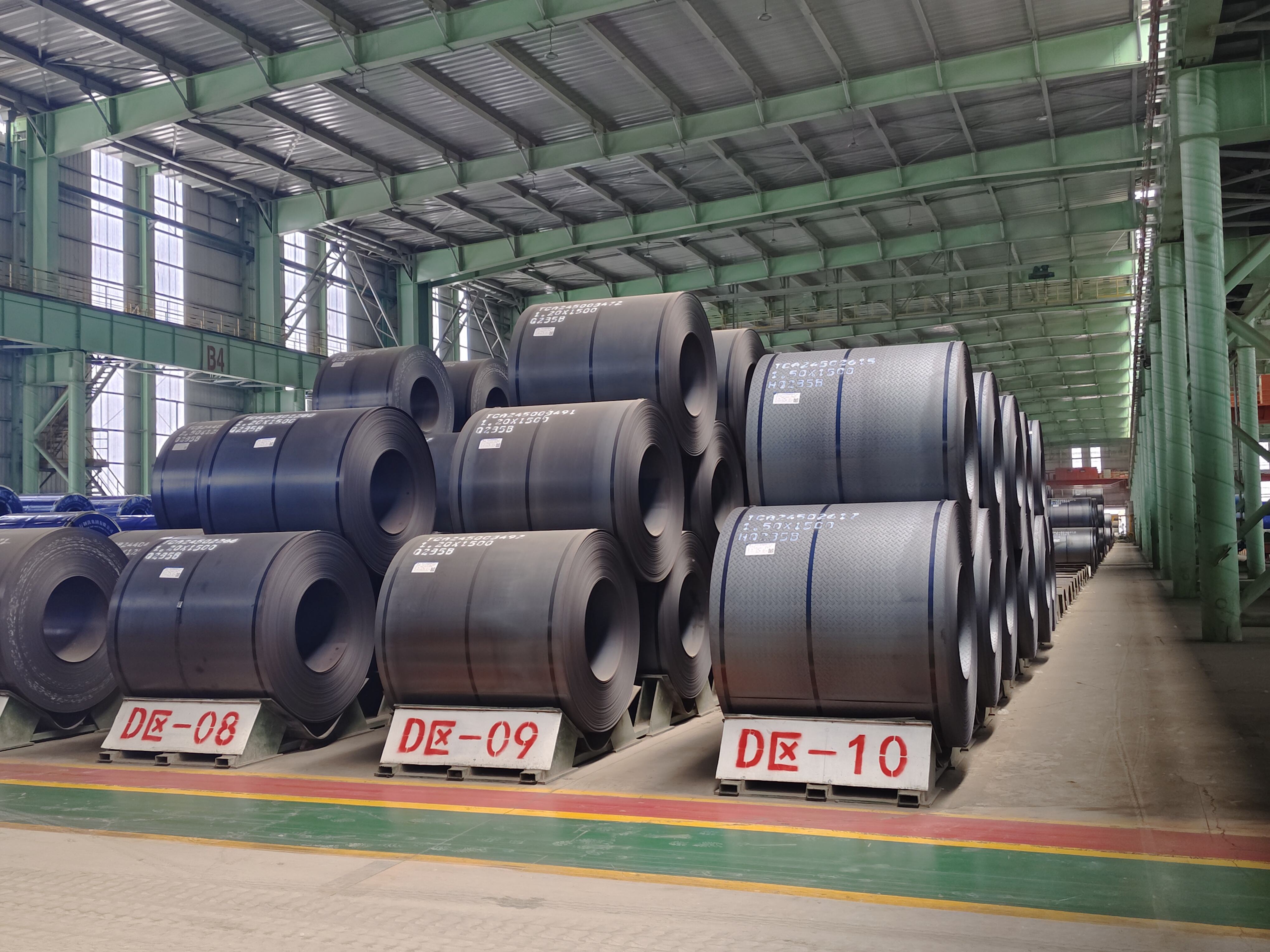

Copyright © 2024 by Shandong Hongzheng Metal Products Co., Ltd.

 EN
EN