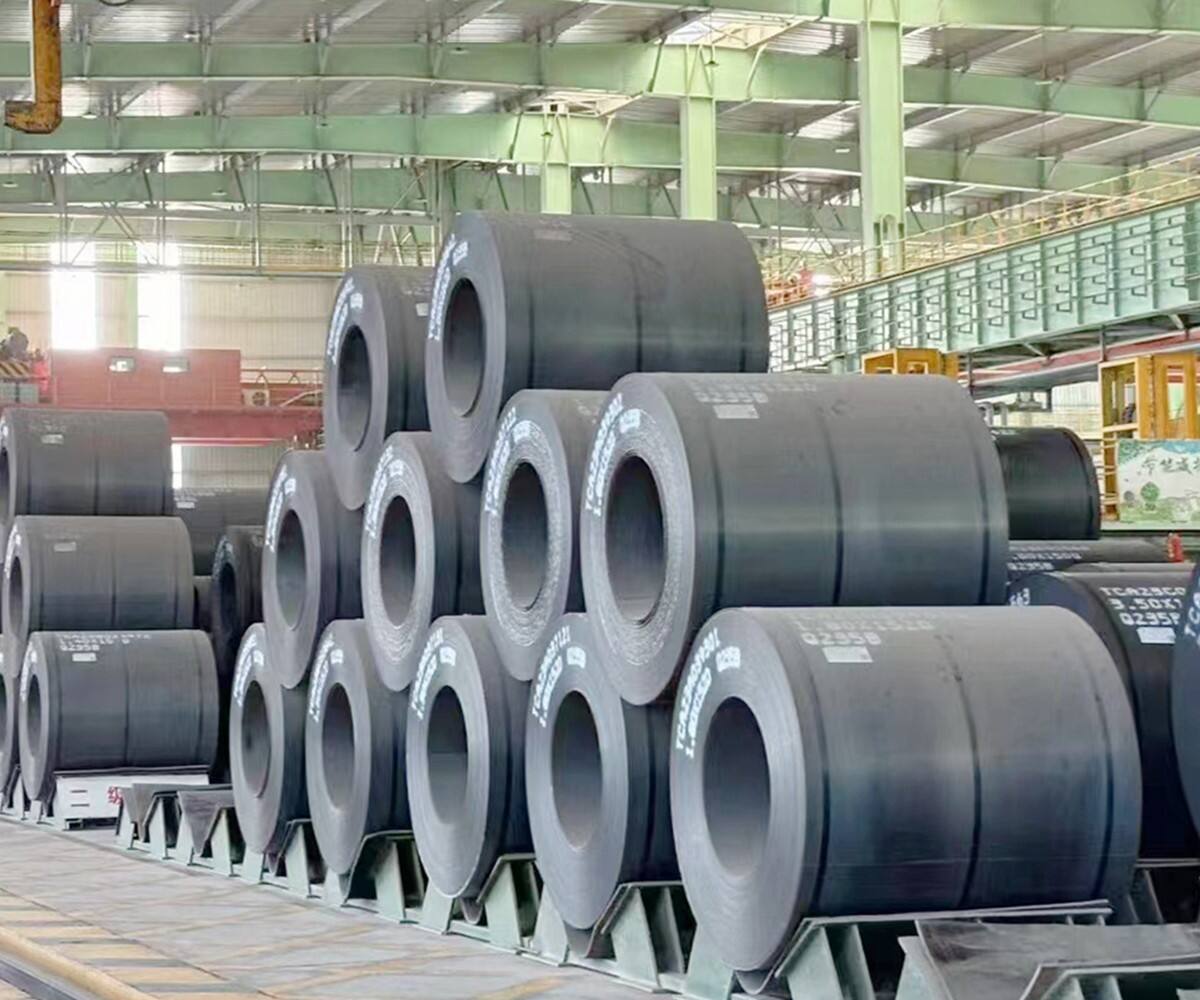
As a pivotal material in heavy industry and precision manufacturing alike, carbon steel coil offers a unique blend of structural integrity, workability, and cost efficiency. The inherent properties of the coil are defined during its production, which involves rigorous quality control from steelmaking through to the final coiling operation. The chemical composition is carefully balanced, with carbon as the key hardening element, alongside manganese, phosphorus, and sulfur, the levels of which are controlled to influence strength, ductility, and machinability. The processing route—hot rolling, cold rolling, and possible annealing—imparts specific characteristics. Hot-rolled coils typically have a decarburized layer and mill scale, while cold-rolled and annealed coils possess a clean, smooth surface ideal for plating or painting, and a more uniform microstructure conducive to forming. A paramount application scene is in the production of metal buildings and pre-engineered structures. Here, carbon steel coils are slit and fed through roll-forming machines to create roof and wall panels, as well as structural members like Zed or Cee purlins and girts. In the erection of a large industrial warehouse, high-strength carbon steel coils conforming to ASTM A607 or similar standards would be transformed into panels that provide both the cladding and the structural skeleton, capable of withstanding wind, snow, and seismic loads. The material's consistent gauge and flatness are critical for the automated roll-forming process to ensure leak-proof seams and structural integrity. The container and packaging industry uses thinner gauges of carbon steel coil to manufacture steel drums, pails, and cans, often requiring specific tempers and surface finishes for subsequent decoration and lining. In the field of industrial machinery, carbon steel coils are laser-cut or plasma-cut into precise blanks that are then fabricated into machine bases, guards, and brackets. The choice of grade directly affects the ease of machining and the final part's performance under load. For applications demanding corrosion resistance, carbon steel coils serve as the substrate for continuous galvanizing lines or are painted post-fabrication. To explore our diverse portfolio of carbon steel coil products and to receive assistance in navigating the various grades, specifications, and processing options available, we encourage you to get in touch with our technical experts. They can provide detailed recommendations and facilitate access to our full range of material solutions tailored to your project's unique requirements.
25
Dec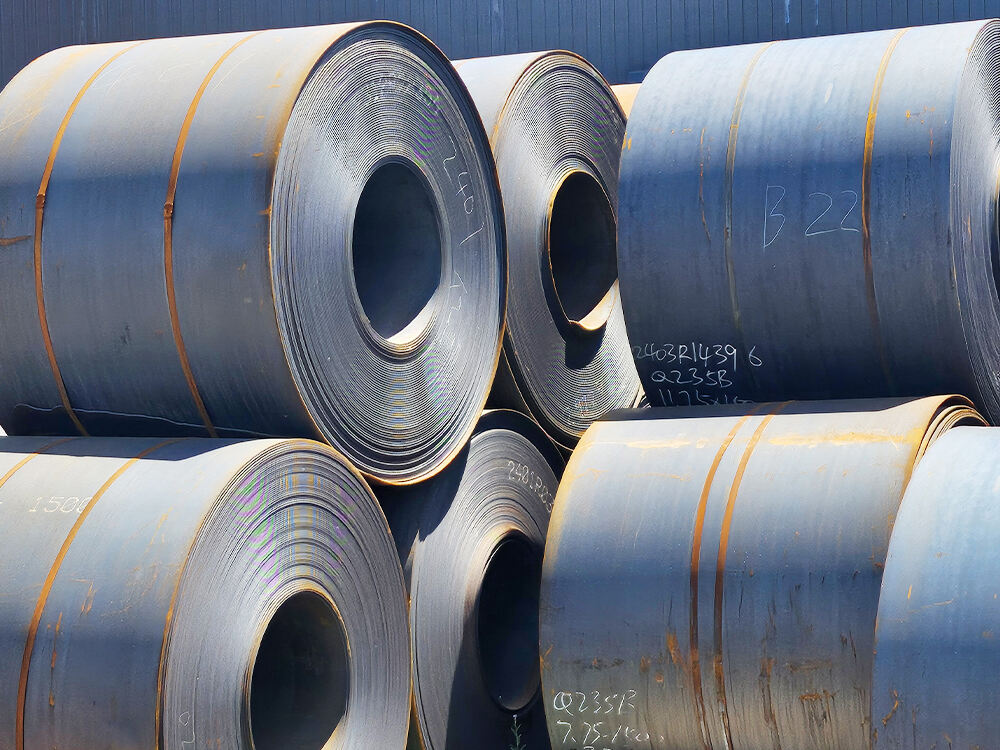
13
Nov
20
Nov
01
Apr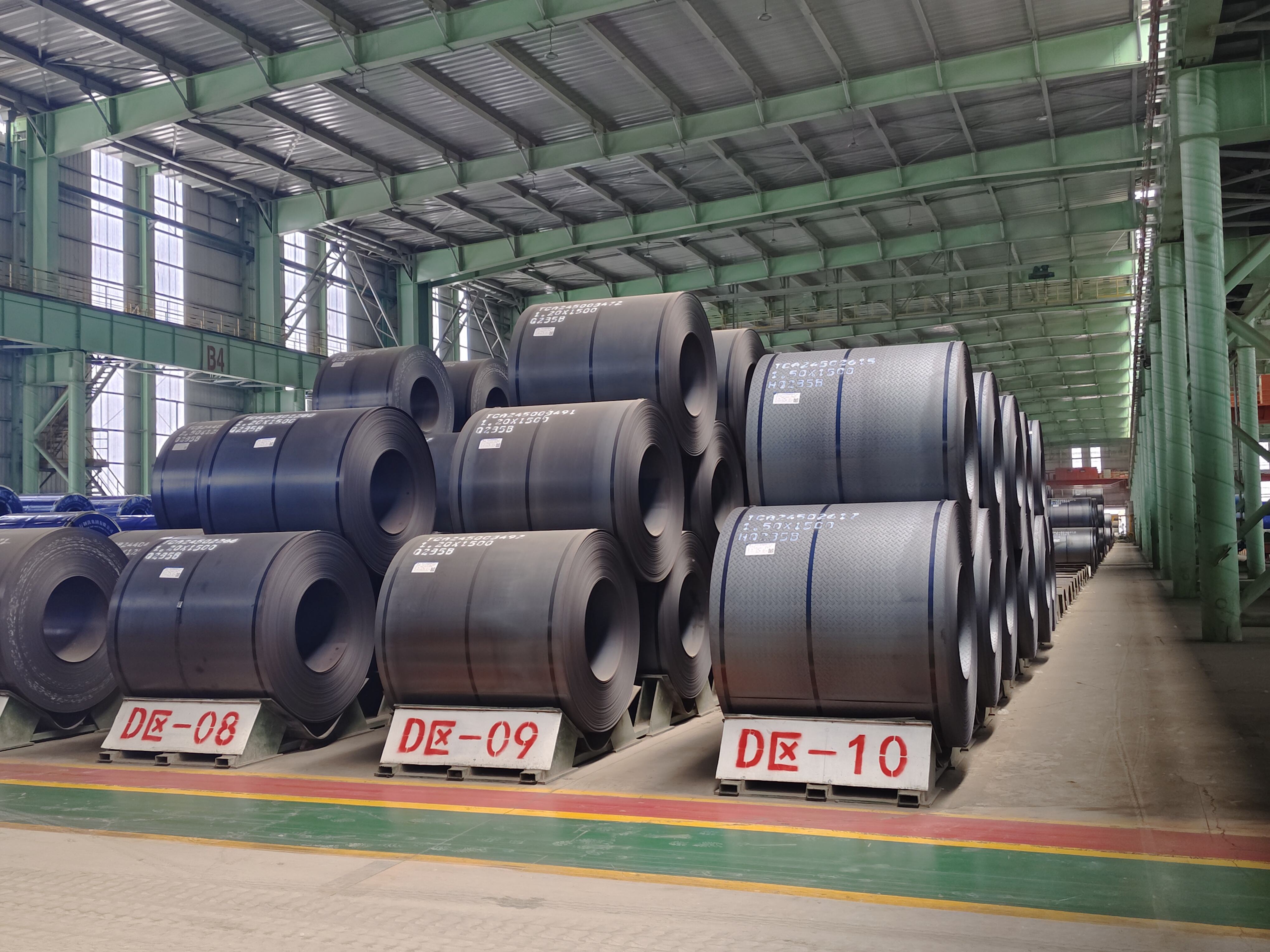

Copyright © 2024 by Shandong Hongzheng Metal Products Co., Ltd.
 EN
EN